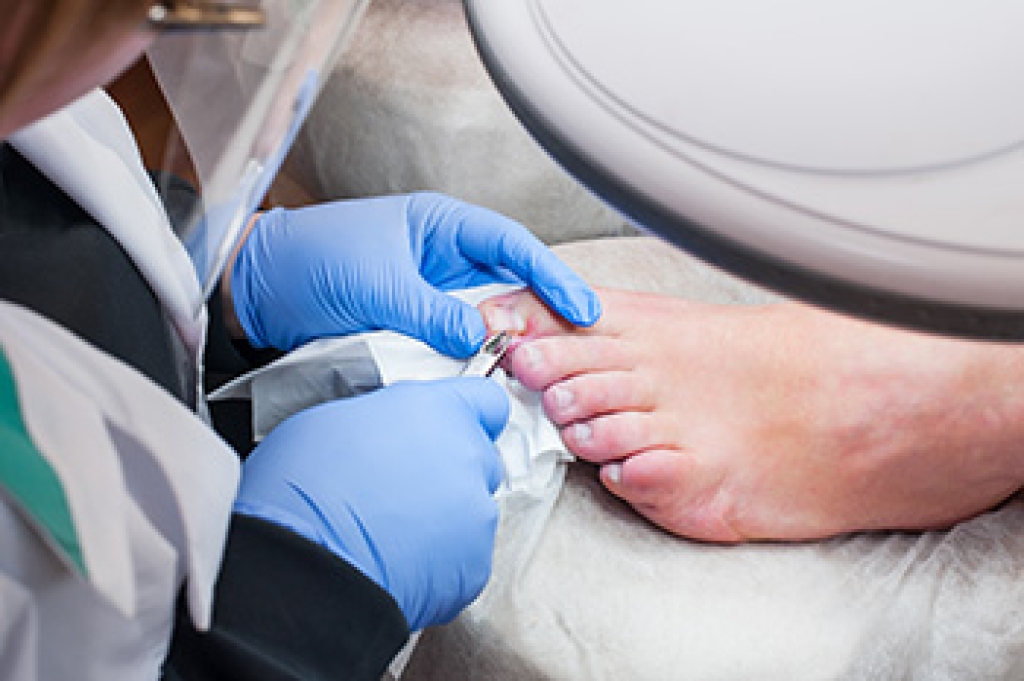
The Winograd Procedure is a common surgical treatment for chronic or recurring ingrown toenails that do not respond to conservative care. During this procedure, the podiatrist removes a small portion of the affected nail and surrounding tissue to prevent the nail from growing into the skin again. The goal is to eliminate pain, infection, and inflammation while preserving the natural shape of the toe. Most patients experience quick relief and can return to normal activities within a short time. However, as with any surgery, there are potential risks. These may include infection, delayed healing, minor bleeding, or temporary tenderness around the treated area. In rare cases, nail regrowth or persistent discomfort may occur. Following proper post-procedure instructions and keeping the site clean greatly reduces these risks. For safe, lasting relief from ingrown toenails, it is suggested that you consult a podiatrist experienced in this procedure.
Ingrown toenails may initially present themselves as a minor discomfort, but they may progress into an infection in the skin without proper treatment. For more information about ingrown toenails, contact one of our podiatrists of Toe-Tal Family Foot & Wound Care Professionals . Our doctors can provide the care you need to keep you pain-free and on your feet.
Ingrown Toenails
Ingrown toenails are caused when the corner or side of a toenail grows into the soft flesh surrounding it. They often result in redness, swelling, pain, and in some cases, infection. This condition typically affects the big toe and may recur if it is not treated properly.
Causes
- Improper toenail trimming
- Genetics
- Improper shoe fitting
- Injury from pedicures or nail picking
- Abnormal gait
- Poor hygiene
You are more likely to develop an ingrown toenail if you are obese, have diabetes, arthritis, or have any fungal infection in your nails. Additionally, people who have foot or toe deformities are at a higher risk of developing an ingrown toenail.
Symptoms
Some symptoms of ingrown toenails are redness, swelling, and pain. In rare cases, there may be a yellowish drainage coming from the nail.
Treatment
Ignoring an ingrown toenail can have serious complications. Infections of the nail border can progress to a deeper soft-tissue infection, which can then turn into a bone infection. You should always speak with your podiatrist if you suspect you have an ingrown toenail, especially if you have diabetes or poor circulation.
If you have any questions, please feel free to contact our office located in Vista, CA and Las Vegas, NV . We offer the newest diagnostic and treatment technologies for all your foot care needs.
