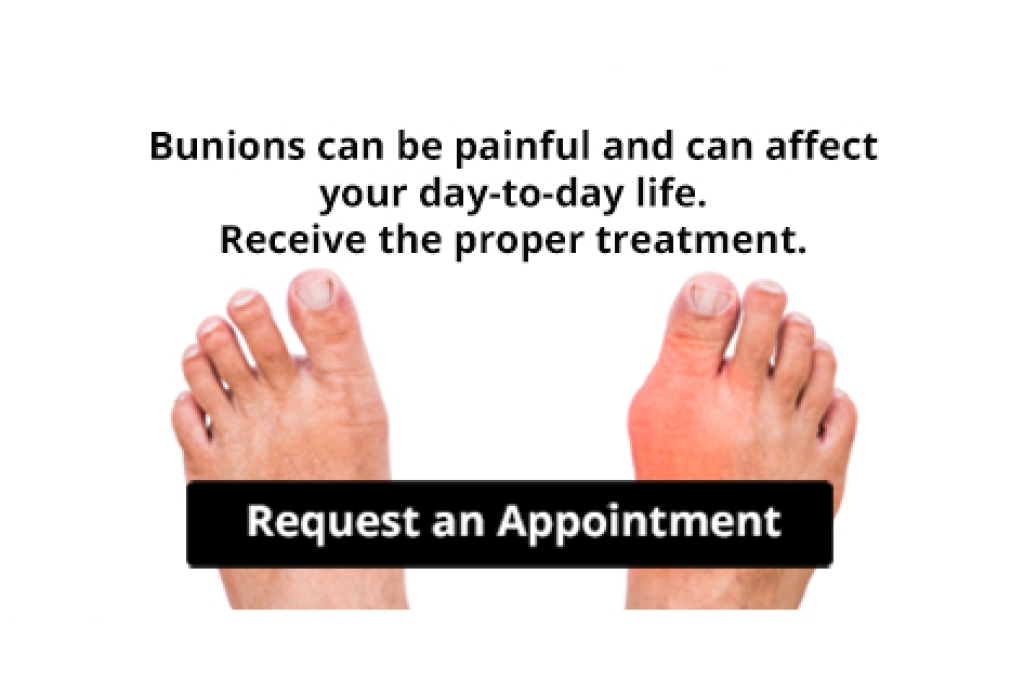
Have you noticed a bony protrusion on the side of your big toe? If so, you may have developed the foot condition known as a bunion. Don't let bunions interfere with your daily activities.
Have you noticed a bony protrusion on the side of your big toe? If so, you may have developed the foot condition known as a bunion. Don't let bunions interfere with your daily activities.
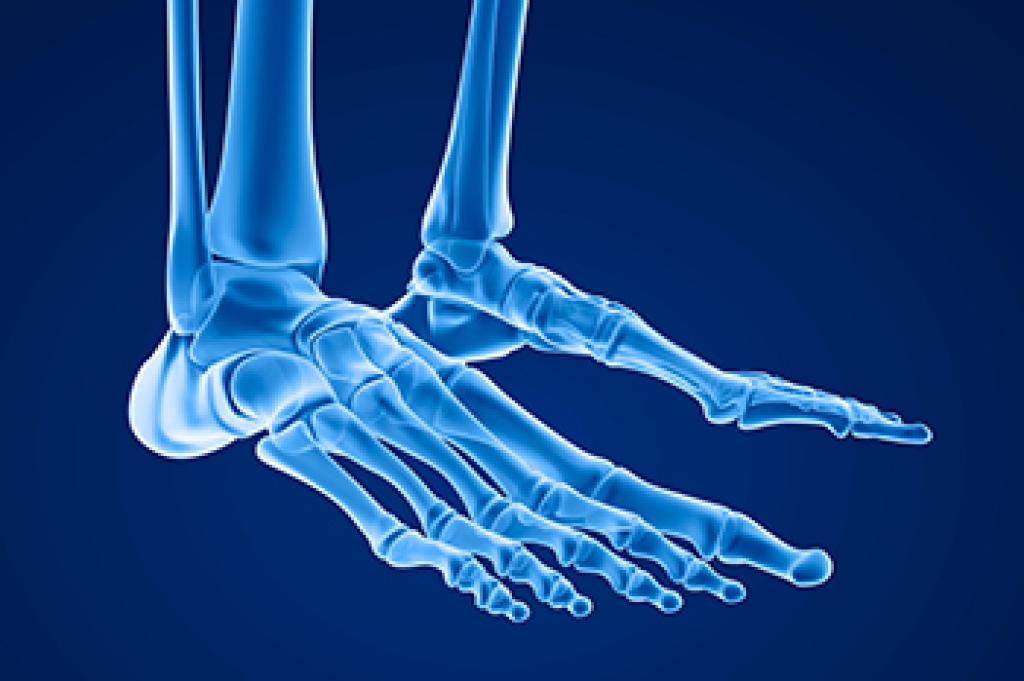
The human foot is a remarkable structure, consisting of a complex interplay of bones and muscles that enable us to walk, run, and maintain our balance. Understanding the intricate anatomy of our feet is essential to appreciate their vital role in our daily lives. At the core of the foot's structure are 26 bones, accounting for approximately one-quarter of the bones in the body. These bones are categorized into three groups that are known as the tarsal bones in the rearfoot, the metatarsal bones in the midfoot, and the phalanges in the toes. They work in harmony, forming arches and joints that provide flexibility and support. Complementing this skeletal framework are over 100 muscles, tendons, and ligaments. These intricate networks of tissues are responsible for the precise movements of our feet, enabling us to shift our weight, maintain balance, and perform various tasks with finesse. From the powerful calf muscles that control plantarflexion to the intrinsic muscles of the feet that fine-tune our movements, this symphony of bones and muscles ensures that our feet are not just sturdy and resilient but also incredibly versatile. It is enlightening to pause for a moment as a step is taken, which may help to appreciate the intricate biomechanics at play within your feet, allowing you to navigate the world with grace and ease. It is suggested that you consult a podiatrist who can provide you with interesting facts about foot structure.
If you have any concerns about your feet, contact one of our podiatrists from Toe-Tal Family Foot & Wound Care Professionals . Our doctors can provide the care you need to keep you pain-free and on your feet.
Biomechanics in Podiatry
Podiatric biomechanics is a particular sector of specialty podiatry with licensed practitioners who are trained to diagnose and treat conditions affecting the foot, ankle and lower leg. Biomechanics deals with the forces that act against the body, causing an interference with the biological structures. It focuses on the movement of the ankle, the foot and the forces that interact with them.
A History of Biomechanics
Modern technological improvements are based on past theories and therapeutic processes that provide a better understanding of podiatric concepts for biomechanics. Computers can provide accurate information about the forces and patterns of the feet and lower legs.
Understanding biomechanics of the feet can help improve and eliminate pain, stopping further stress to the foot.
If you have any questions please feel free to contact our office located in Vista, CA and Las Vegas, NV . We offer the newest diagnostic and treatment technologies for all your foot and ankle needs.
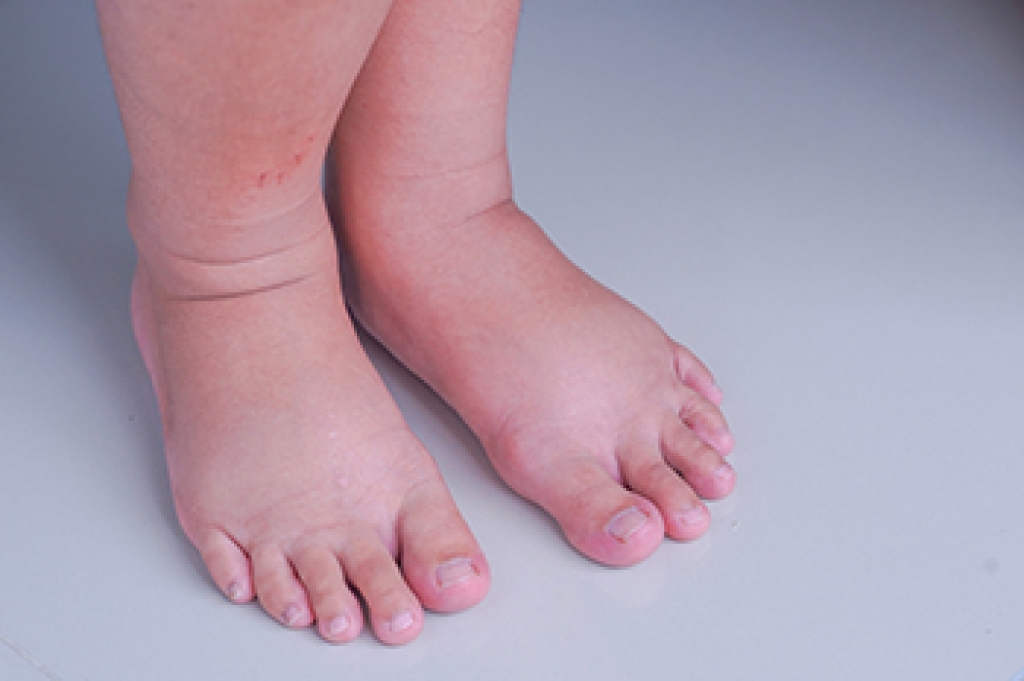
Pregnancy is a remarkable journey that brings joy and anticipation. However, along with the many changes within the body, some discomforts can arise, including foot pain. This type of pain is common, and understanding its causes can help expectant mothers better manage it. One of the primary reasons for foot pain during pregnancy is the increased weight and pressure placed on the feet. As the baby grows, so does the strain on the feet which could lead to arch and heel pain. Hormonal changes also play a role, as they can cause ligaments to become more relaxed, leading to instability in the feet. Swelling, a common pregnancy symptom, can also contribute to foot pain. Fluid retention causes the feet to swell, which can lead to discomfort and pressure on the arches. Finally, changes in gait and posture during pregnancy can lead to altered weight distribution, potentially causing pain in various areas of the feet. In conclusion, foot pain during pregnancy is a common but manageable issue. Understanding its causes can empower expectant mothers to take steps to alleviate discomfort and ensure a more pleasant pregnancy experience. If you would like to have additional information about foot pain during pregnancy, it is suggested that you consult a podiatrist.
Pregnant women with swollen feet can be treated with a variety of different methods that are readily available. For more information about other cures for swollen feet during pregnancy, consult with one of our podiatrists from Toe-Tal Family Foot & Wound Care Professionals . Our doctors will attend to all of your foot and ankle needs.
What Foot Problems Can Arise During Pregnancy?
One problem that can occur is overpronation, which occurs when the arch of the foot flattens and tends to roll inward. This can cause pain and discomfort in your heels while you’re walking or even just standing up, trying to support your baby.
Another problem is edema, or swelling in the extremities. This often affects the feet during pregnancy but tends to occur in the later stages.
How Can I Keep My Feet Healthy During Pregnancy?
If you have any questions, please feel free to contact our office located in Vista, CA and Las Vegas, NV . We offer the newest diagnostic and treatment technologies for all your foot care needs.
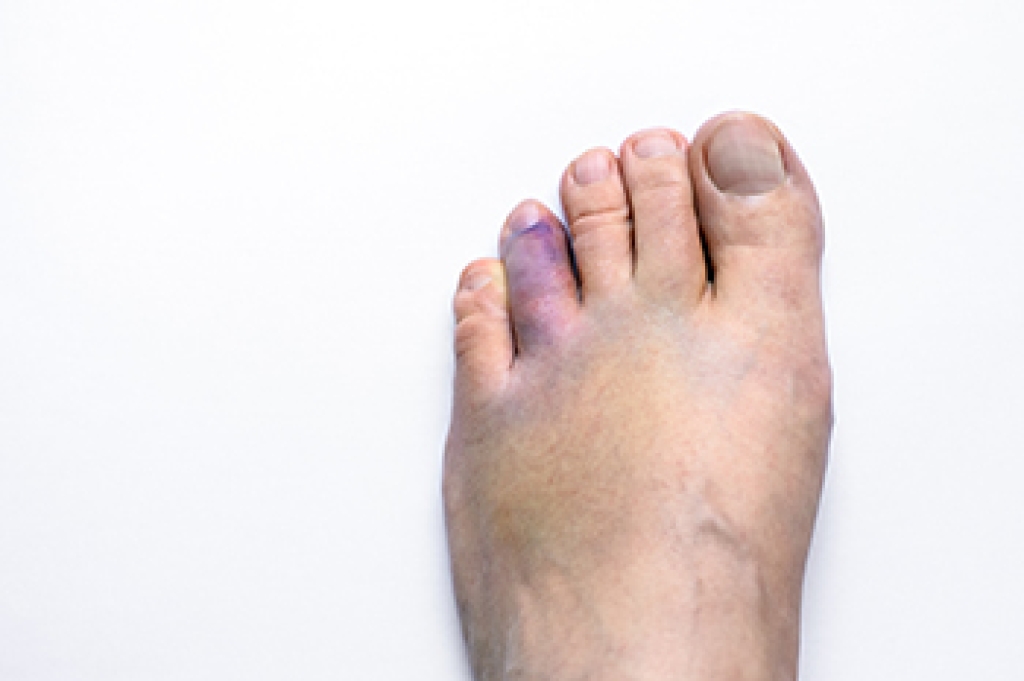
A broken toe, while seemingly minor, can be surprisingly painful and disruptive. The causes are varied and can result from direct trauma, such as stubbing your toe against a hard object, or from dropping something heavy on it. A broken toe can also happen from repetitive stress, and many athletes can be affected. Common symptoms include immediate pain, swelling, bruising, and difficulty moving the toe. In severe cases, the toe may appear misaligned or discolored. Treatment typically involves rest, compression, and elevation, and this can be effective in reducing existing swelling. Immobilizing the toe with a splint or buddy-taping it to a neighboring toe can help with alignment and healing. Pain relief medication may also help to alleviate discomfort. More severe breaks may require resetting and splinting by a podiatrist. If you have broken your toe, it is suggested that you consult this type of doctor for a proper diagnosis and guidance on what the most suitable treatment plan is for you.
A broken toe can be very painful and lead to complications if not properly fixed. If you have any concerns about your feet, contact one of our podiatrists from Toe-Tal Family Foot & Wound Care Professionals . Our doctors will treat your foot and ankle needs.
What to Know About a Broken Toe
Although most people try to avoid foot trauma such as banging, stubbing, or dropping heavy objects on their feet, the unfortunate fact is that it is a common occurrence. Given the fact that toes are positioned in front of the feet, they typically sustain the brunt of such trauma. When trauma occurs to a toe, the result can be a painful break (fracture).
Symptoms of a Broken Toe
Generally, it is best to stay off of the injured toe with the affected foot elevated.
Severe toe fractures may be treated with a splint, cast, and in some cases, minor surgery. Due to its position and the pressure it endures with daily activity, future complications can occur if the big toe is not properly treated.
If you have any questions, please feel free to contact our office located in Vista, CA and Las Vegas, NV . We offer the newest diagnostic and treatment technologies for all your foot care needs.
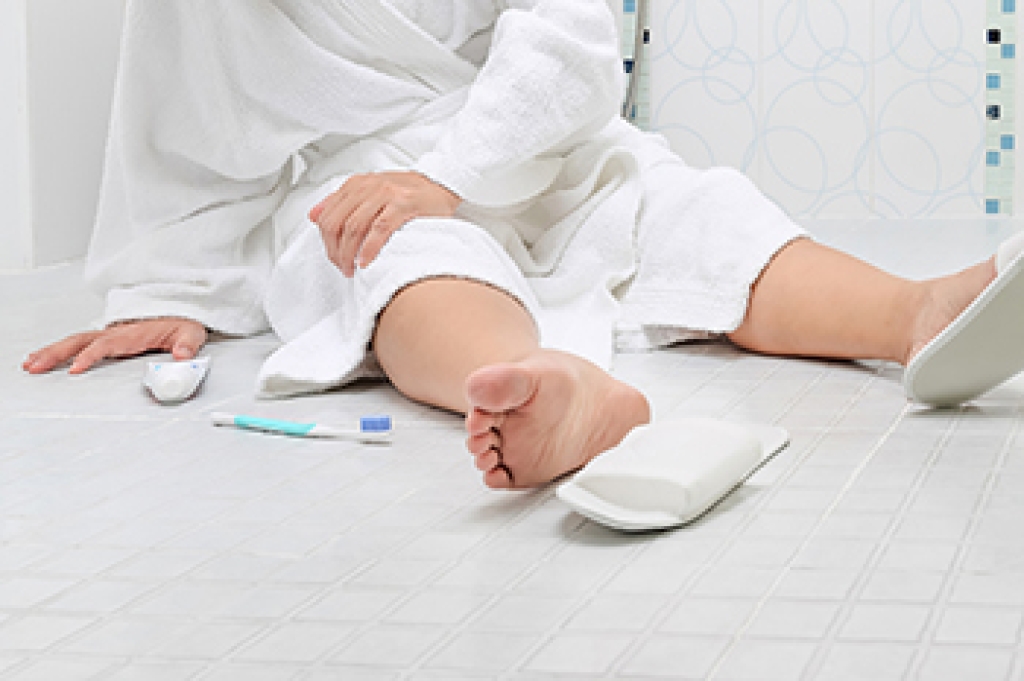
Falls, often underestimated, can have serious consequences, especially as we age. Recognizing the risk factors that contribute to falls is the first step in ensuring our safety and well-being. These factors encompass a range of physical, environmental, and lifestyle elements. Physical factors can include muscle weakness, impaired balance, and diminished vision. Environmental hazards such as walking on uneven surfaces, poor lighting, and clutter can further increase the risk. Fortunately, taking proactive measures can significantly lower these risks. These can consist of engaging in regular physical activity to enhance muscle strength and balance, and ensuring proper lighting. Additionally, maintaining a clutter-free living space, and consulting healthcare professionals to manage health conditions are crucial strategies. It is suggested that you confer with a podiatrist who can discuss with you how falling can affect the feet, in addition to effective fall prevention strategies.
Preventing falls among the elderly is very important. If you are older and have fallen or fear that you are prone to falling, consult with one of our podiatrists from Toe-Tal Family Foot & Wound Care Professionals . Our doctors will assess your condition and provide you with quality advice and care.
Every 11 seconds, an elderly American is being treated in an emergency room for a fall related injury. Falls are the leading cause of head and hip injuries for those 65 and older. Due to decreases in strength, balance, senses, and lack of awareness, elderly persons are very susceptible to falling. Thankfully, there are a number of things older persons can do to prevent falls.
How to Prevent Falls
Some effective methods that older persons can do to prevent falls include:
Falling can be a traumatic and embarrassing experience for elderly persons; this can make them less willing to leave the house, and less willing to talk to someone about their fears of falling. Doing such things, however, will increase the likelihood of tripping or losing one’s balance. Knowing the causes of falling and how to prevent them is the best way to mitigate the risk of serious injury.
If you have any questions, please feel free to contact our office located in Vista, CA and Las Vegas, NV . We offer the newest diagnostic and treatment technologies for all your foot care needs.
Connect With Us
