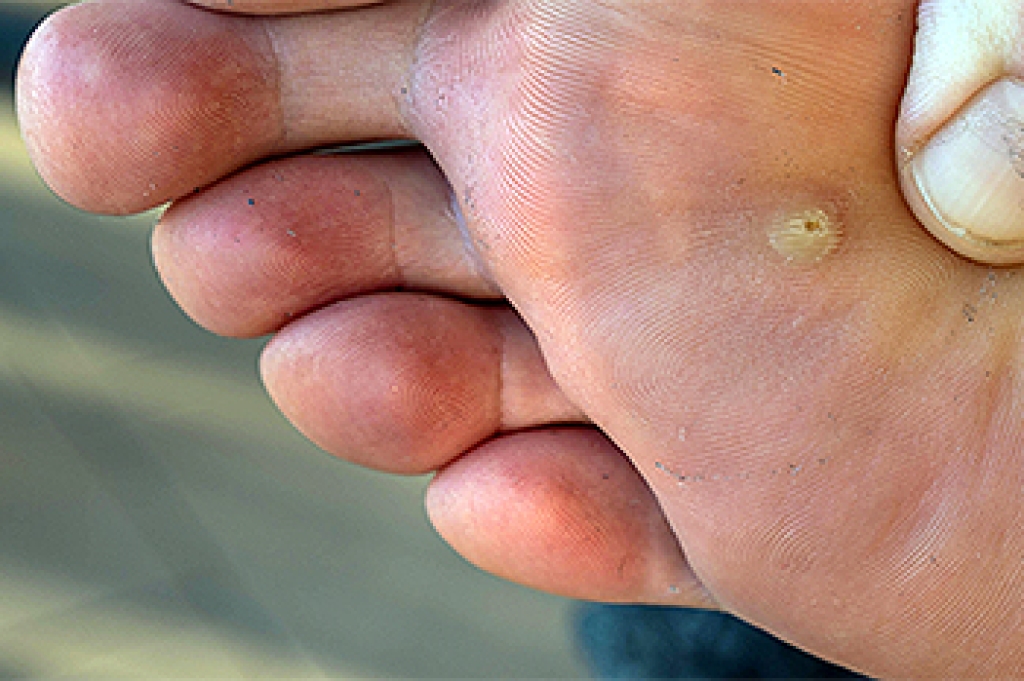
HPV and Plantar Warts

The medical name for a plantar wart is called verruca. This type of wart is located on the bottom of the foot, and it grows inward as a result of standing and walking for most of the day. It can cause severe pain and discomfort, and it may be difficult to complete daily activities. It can develop from contracting the human papillomavirus (HPV), and it is often contagious. The virus can enter the body through small cuts in the skin on the feet, and it is found in places that can include public swimming pools. Additionally, this virus can live on shower room floors and may also be found in locker rooms. These environments are warm and moist and are the perfect area for HPV to live. The wart appears as a small, thick area of skin on the heel or on the bottom of the toes, and it may have tiny black dots in the center. There are several methods of relieving the pain from a plantar wart, and it is advised that you confer with a podiatrist who can discuss proper treatment techniques with you.

Plantar warts can be very uncomfortable. If you need your feet checked, contact one of our podiatrists from Toe-Tal Family Foot & Wound Care Professionals . Our doctors will assist you with all of your foot and ankle needs.

About Plantar Warts

Plantar warts are the result of HPV, or human papillomavirus, getting into open wounds on the feet. They are mostly found on the heels or balls of the feet.

While plantar warts are generally harmless, those experiencing excessive pain or those suffering from diabetes or a compromised immune system require immediate medical care. Plantar warts are easily diagnosed, usually through scraping off a bit of rough skin or by getting a biopsy.

Symptoms

  • Lesions on the bottom of your feet, usually rough and grainy
  • Hard or thick callused spots
  • Wart seeds, which are small clotted blood vessels that look like little black spots
  • Pain, discomfort, or tenderness of your feet when walking or standing

Treatment

  • Freezing
  • Electric tool removal
  • Laser Treatment
  • Topical Creams (prescription only)
  • Over-the-counter medications

To help prevent developing plantar warts, avoid walking barefoot over abrasive surfaces that can cause cuts or wounds for HPV to get into. Avoiding direct contact with other warts, as well as not picking or rubbing existing warts, can help prevent the further spread of plantar warts. However, if you think you have developed plantar warts, speak to your podiatrist. He or she can diagnose the warts on your feet and recommend the appropriate treatment options.

If you have any questions, please feel free to contact our office located in Vista, CA and Las Vegas, NV . We offer the newest diagnostic and treatment technologies for all your foot care needs.

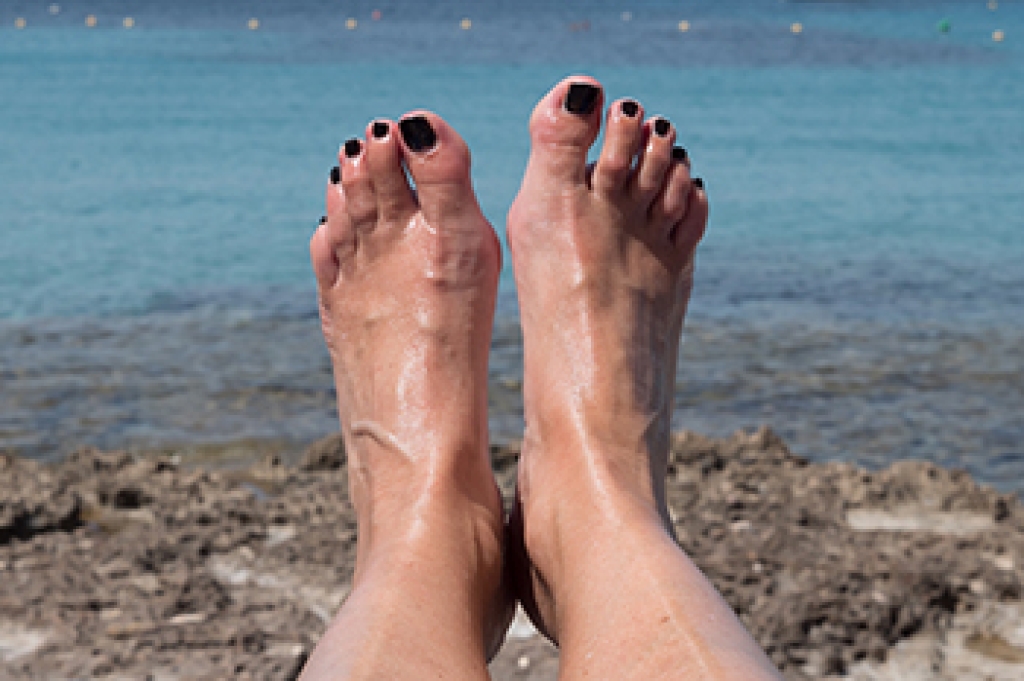
Read more about All About Plantar Warts

Are You Suffering From Ingrown Toenails?

If left untreated, an ingrown toenail can lead to more serious concerns, such as an infection. Knowing proper nail care can help in the prevention of an ingrown toenail. Give us a call, and get treated!

Tarsal Tunnel Syndrome Diagnosis

Some afflictions of the foot occur when a local nerve is damaged or strained, which can result in complications in the feet. Tarsal tunnel syndrome is one such foot affliction. This condition occurs in an individual when the tissue surrounding the tarsal tunnel aggravates the posterior tibial nerve. This nerve is located in the lower calf and runs to the heel of the foot. When this nerve aggravation occurs, the patient can feel pain when walking. By working with a podiatrist, a patient can receive a diagnosis of tarsal tunnel syndrome. There are different ways in which a podiatrist might go about making a diagnosis. In some cases, a podiatrist might conduct a simple examination of the affected foot. In other cases, the podiatrist might use nerve conduction studies. These studies essentially use electrical currents to measure the speed with which a nerve can produce impulses. If the posterior tibial nerve being studied produces impulses at a very slow rate, this can indicate the presence of tarsal tunnel syndrome. Regardless of how a diagnosis of tarsal tunnel syndrome is performed, it can be very helpful to reach out to a podiatrist who will be able to best help you identify and treat this condition.

Tarsal tunnel syndrome can be very uncomfortable to live with. If you are experiencing tarsal tunnel syndrome, contact one of our podiatrists of Toe-Tal Family Foot & Wound Care Professionals . Our doctors can provide the care you need to keep you pain-free and on your feet.

Tarsal Tunnel Syndrome

Tarsal tunnel syndrome, which can also be called tibial nerve dysfunction, is an uncommon condition of misfiring peripheral nerves in the foot. The tibial nerve is the peripheral nerve in the leg responsible for sensation and movement of the foot and calf muscles. In tarsal tunnel syndrome, the tibial nerve is damaged, causing problems with movement and feeling in the foot of the affected leg.

Common Cause of Tarsal Tunnel Syndrome

  • Involves pressure or an injury, direct pressure on the tibial nerve for an extended period of time, sometimes caused by other body structures close by or near the knee.
  • Diseases that damage nerves, including diabetes, may cause tarsal tunnel syndrome.
  • At times, tarsal tunnel syndrome can appear without an obvious cause in some cases.

The Effects of Tarsal Tunnel Syndrome

  • Different sensations, an afflicted person may experience pain, tingling, burning or other unusual sensations in the foot of the affected leg.
  • The foot muscles, toes and ankle become weaker, and curling your toes or flexing your foot can become difficult.
  • If condition worsens, infections and ulcers may develop on the foot that is experiencing the syndrome.

A physical exam of the leg can help identify the presence of tarsal tunnel syndrome. Medical tests, such as a nerve biopsy, are also used to diagnose the condition. Patients may receive physical therapy and prescriptive medication. In extreme cases, some may require surgery.

If you have any questions please contact our office located in Vista, CA and Las Vegas, NV . We offer the newest diagnostic and treatment technologies for all your foot and ankle needs.

Read more about Tarsal Tunnel Syndrome

Foot Massages 101

Foot massages can be a useful and important component of a foot therapy routine. Foot massages can have a range of potential benefits. Not only might such massages improve blood circulation, but they could also be an effective form of stress relief. Foot massages usually begin with the washing and drying of the feet. It is important to additionally apply lotion and moisturizer to the feet following the wash. Then, you can hold the foot with both hands, using small circular movements to gently apply pressure to the toes. You might massage down the arch of the foot and then up the heel and ankle. You might also want to loosen the joints of your feet in your ankle and toes by gently moving them in circles. Following the massage, you may find that you have a better sense of balance when walking and moving. Of course, foot massages are only one kind of foot therapy that you may benefit from. For more information on foot massages and their benefits, contact a podiatrist.

Foot therapy is often necessary for those recovering from either foot deformities or foot injuries. If you have concerns regarding therapy, consult with one of our podiatrists from Toe-Tal Family Foot & Wound Care Professionals . Our doctors can provide the care you need to keep you pain-free and on your feet.

Most Common Injuries

People who are active or athletes are prone to a variety of injuries. Therefore, it is often important to take part in physical therapy in order to quickly get back on the right track. 

What to Do When Injured

Physical Therapy – This specialized treatment will focus on the affected area, speeding up recovery and the overall healing process. It is a proven method that has helped millions of people return from any injury.

During physical therapy you will undergo regimented training to get back into full form. Training is often very difficult, especially at first when the foot feels weak. Physical therapy often involves:

Basic stretching and twisting exercises – getting the feet’s mobility and flexibility up.

Massaging – the therapist will massage the injured area in order to activate the muscles and relax them.

Strengthening Exercises – this allows the muscles in the affected area to regain their full strength, a vital step towards full recovery.

If you have any questions, please feel free to contact our office located in Vista, CA and Las Vegas, NV . We offer the newest diagnostic and treatment technologies for all your foot care needs.
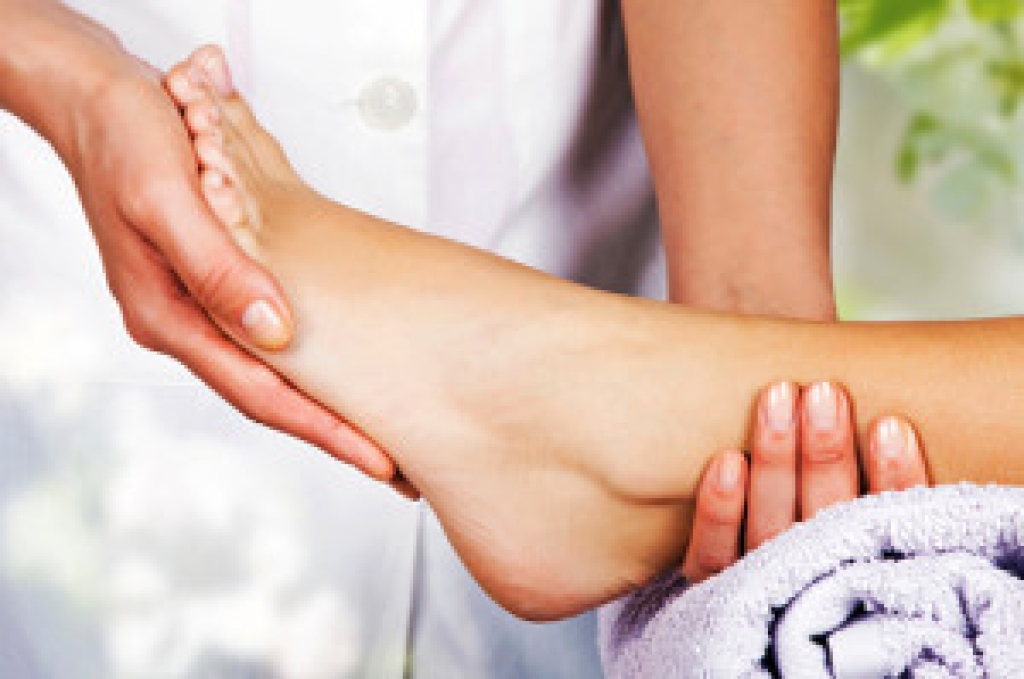
Read more about Foot Therapy for Sports Injuries

Walking Indoors Can Strengthen Toes

When babies are born, their feet are generally soft. Proper foot development is essential in developing gross motor skills, such as walking, standing, running, and jumping. The bones typically strengthen under stress, and this is crucial for performing these motor skills. Each foot is made up of 26 bones, which amount to one quarter of the bones in the body. They will continue to develop and strengthen until approximately 18 years of age. Research has shown the feet will grow to half of their adult size in their first year of life, and the flat feet that most babies are born with will gradually develop into a full arch in their teenage years. The toes will develop strength when the toddler can walk barefoot while indoors as often as possible. When it is time to purchase the first pair of shoes for walking outside, it is beneficial that the shoe is made of flexible materials and has a sturdy sole. If you would like additional information about how your child’s feet will develop, please schedule a consultation with a podiatrist who can answer any questions you may have.

The health of a child’s feet is vital to their overall well-being. If you have any questions regarding foot health, contact one of our podiatrists of Toe-Tal Family Foot & Wound Care Professionals . Our doctors can provide the care you need to keep you pain-free and on your feet.

Tips for Keeping Children's Feet Healthy

  • Make sure their shoes fit properly
  • Look for any signs of in-toeing or out-toeing
  • Check to see if they have Clubfoot (condition that affects your child’s foot and ankle, twisting the heel and toes inward) which is one of the most common nonmajor birth defects.
  • Lightly cover your baby’s feet (Tight covers may keep your baby from moving their feet freely, and could prevent normal development)
  • Allow your toddler to go shoeless (Shoes can be restricting for a young child’s foot)
  • Cut toenails straight across to avoid ingrown toenails
  • Keep your child’s foot clean and dry
  • Cover cuts and scrapes. Wash any scratches with soap and water and cover them with a bandage until they’ve healed.

If you have any questions, please feel free to contact our office located in Vista, CA and Las Vegas, NV . We offer the newest diagnostic and treatment technologies for all your foot care needs.

Read more about How to Care for Your Child's Feet

Connect With Us

scroll to top