Why Do My Feet Feel Like They're Burning?

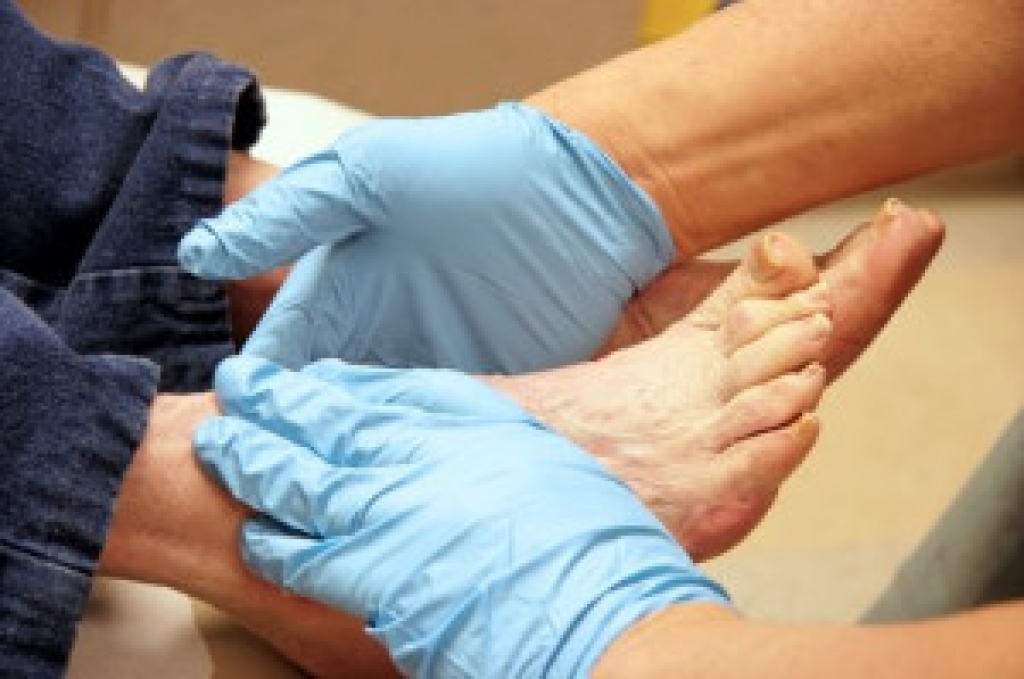
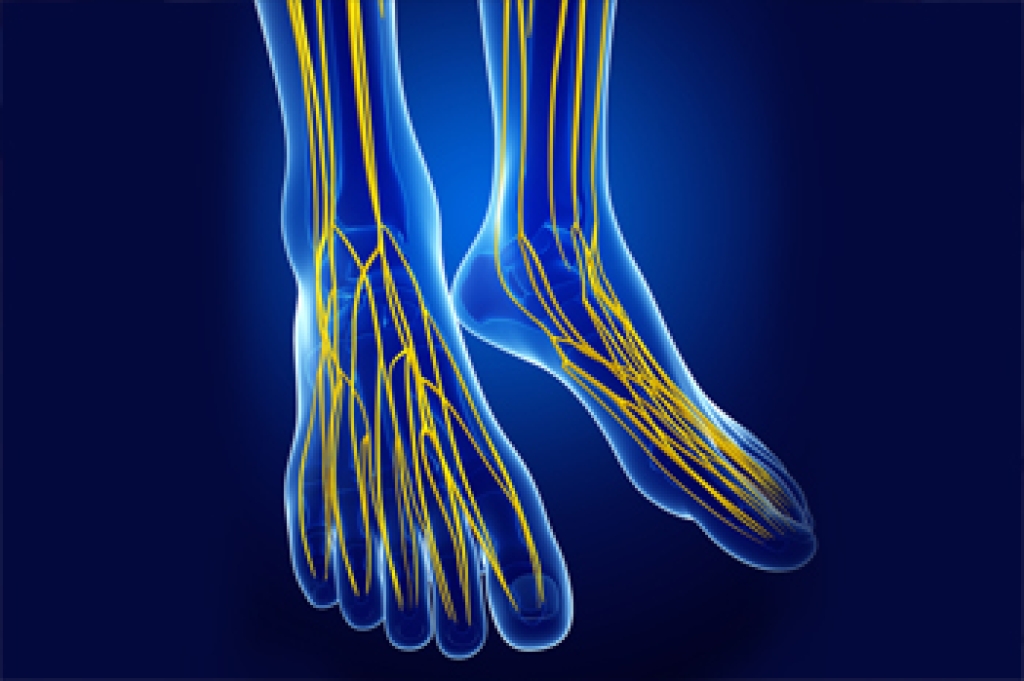
A burning sensation in the feet can affect any part of the foot and is typically caused by nerve damage. Various conditions can lead to nerve damage in the feet. One of the most common culprits is diabetes. About half of all people with diabetes develop peripheral neuropathy, which affects the nerves of the feet and can produce a burning sensation. Other medical problems that may damage the nerves that supply the feet, and therefore lead to a burning sensation, include small fiber sensory neuropathy, Charcot-Marie-Tooth disease, complex regional pain syndrome, excessive alcohol use, and tarsal tunnel syndrome. Conditions that are not related to nerve damage can also produce a burning sensation in the feet. These include athlete’s foot, erythromelalgia, and hypothyroidism, among others. If you have burning feet, please seek the care of a podiatrist. 

Neuropathy

Neuropathy can be a potentially serious condition, especially if it is left undiagnosed. If you have any concerns that you may be experiencing nerve loss in your feet, consult with one of our podiatrists from Toe-Tal Family Foot & Wound Care Professionals . Our doctors will assess your condition and provide you with quality foot and ankle treatment for neuropathy.

What Is Neuropathy?

Neuropathy is a condition that leads to damage to the nerves in the body. Peripheral neuropathy, or neuropathy that affects your peripheral nervous system, usually occurs in the feet. Neuropathy can be triggered by a number of different causes. Such causes include diabetes, infections, cancers, disorders, and toxic substances.

Symptoms of Neuropathy Include:

  • Numbness
  • Sensation loss
  • Prickling and tingling sensations
  • Throbbing, freezing, burning pains
  • Muscle weakness

Those with diabetes are at serious risk due to being unable to feel an ulcer on their feet. Diabetics usually also suffer from poor blood circulation. This can lead to the wound not healing, infections occurring, and the limb may have to be amputated.

Treatment

To treat neuropathy in the foot, podiatrists will first diagnose the cause of the neuropathy. Figuring out the underlying cause of the neuropathy will allow the podiatrist to prescribe the best treatment, whether it be caused by diabetes, toxic substance exposure, infection, etc. If the nerve has not died, then it’s possible that sensation may be able to return to the foot.

Pain medication may be issued for pain. Electrical nerve stimulation can be used to stimulate nerves. If the neuropathy is caused from pressure on the nerves, then surgery may be necessary.

If you have any questions, please feel free to contact our office located in Vista, CA and Las Vegas, NV . We offer the newest diagnostic and treatment technologies for all your foot care needs.


Read more about Neuropathy

Heel Pain Can Be Treated!

Do you suffer from heel pain when you get up in the morning? If so, you should seek professional help and have a proper diagnosis performed. Heel pain can be caused by several different foot-related conditions.

When To See a Podiatrist for Ingrown Toenails

Ingrown toenails are a common foot condition in which the toenails grow into the surrounding skin, rather than over it. This often occurs on the big toes and can result in symptoms such as pain, tenderness, swelling, and redness around the affected toe. While ingrown toenails generally respond well to at home treatments, sometimes they can become infected or frequently recur.  They can also be a cause for concern due to underlying health conditions, like diabetes or peripheral artery disease. In these cases, it is suggested that you seek the care of a podiatrist who can offer the right treatments for you. Depending on the severity of the ingrown toenail, the podiatrist may gently lift the nail, prescribe antibiotics to treat infections, or partially or completely remove the nail.

Ingrown toenails can become painful if they are not treated properly. For more information about ingrown toenails, contact one of our podiatrists of Toe-Tal Family Foot & Wound Care Professionals . Our doctors can provide the care you need to keep you pain-free and on your feet.

Ingrown Toenails

Ingrown toenails occur when a toenail grows sideways into the bed of the nail, causing pain, swelling, and possibly infection.

Causes

  • Bacterial infections
  • Improper nail cutting such as cutting it too short or not straight across
  • Trauma to the toe, such as stubbing, which causes the nail to grow back irregularly
  • Ill-fitting shoes that bunch the toes too close together
  • Genetic predisposition

Prevention

Wearing proper fitting shoes and using proper cutting techniques will also help decrease your risk of developing ingrown toenails.

Treatment

Ingrown toenails are a very treatable foot condition. In minor cases, soaking the affected area in salt or antibacterial soaps will not only help with the ingrown nail itself, but also help prevent any infections from occurring. In more severe cases, surgery is an option. In either case, speaking to your podiatrist about this condition will help you get a better understanding of specific treatment options that are right for you.

If you have any questions, please feel free to contact our office located in Vista, CA and Las Vegas, NV . We offer the newest diagnostic and treatment technologies for all your foot care needs.

Read more about Ingrown Toenails

Diabetes and Its Impact on the Feet

Diabetes can lead to various health complications in many parts of the body, and the lower limbs are especially susceptible to damage. Diabetic peripheral neuropathy, in which the nerves that innervate the lower limbs become damaged, can lead to a loss of sensation in the feet and ankles. Peripheral artery disease, in which the blood vessels that supply the lower limbs are compromised and blood flow to the area is reduced, can lead to poor wound healing on the feet. Together, these two conditions greatly increase the risk of developing diabetic foot ulcers (DFUs). DFUs can appear without being detected due to a lack of sensation and may heal slowly and poorly due to poor circulation. DFUs can also become infected, and lead to serious complications, including amputation. To learn how to care for diabetic feet, it is suggested that you consult with a podiatrist.

Diabetic foot care is important in preventing foot ailments such as ulcers. If you are suffering from diabetes or have any other concerns about your feet, contact one of our podiatrists from Toe-Tal Family Foot & Wound Care Professionals . Our doctors can provide the care you need to keep you pain-free and on your feet.

Diabetic Foot Care

Diabetes affects millions of people every year. The condition can damage blood vessels in many parts of the body, especially the feet. Because of this, taking care of your feet is essential if you have diabetes, and having a podiatrist help monitor your foot health is highly recommended.

The Importance of Caring for Your Feet

  • Routinely inspect your feet for bruises or sores.
  • Wear socks that fit your feet comfortably.
  • Wear comfortable shoes that provide adequate support.

Patients with diabetes should have their doctor monitor their blood levels, as blood sugar levels play such a huge role in diabetic care. Monitoring these levels on a regular basis is highly advised.

It is always best to inform your healthcare professional of any concerns you may have regarding your feet, especially for diabetic patients. Early treatment and routine foot examinations are keys to maintaining proper health, especially because severe complications can arise if proper treatment is not applied.

If you have any questions, please feel free to contact our office located in Vista, CA and Las Vegas, NV . We offer the newest diagnostic and treatment technologies for all your foot care needs.

Read more about Diabetic Foot Conditions

Did I Break My Ankle?

The ankle is a joint that connects leg bones (the tibia and fibula) with a foot bone (talus), providing up-and-down movement, stability, and shock absorption for the foot. Ankle fractures typically occur when either or both of these leg bones break. Fractures are characterized as either stable (if talus moves normally), or unstable (if talus moves abnormally). To the average person, it can be hard to tell whether they are experiencing an ankle fracture or an ankle sprain—which occurs when the ligaments on the ankle are damaged. Some telltale signs of a fracture can be: a cracking sound when the injury occurs, numbness or tingling, pain over the ankle bone, or even a misshapen ankle. While both ailments are painful, an ankle fracture is much more serious. Consult with a podiatrist who will be able to diagnose the injury properly and provide necessary treatment.

Broken ankles need immediate treatment. If you are seeking treatment, contact one of our podiatrists from Toe-Tal Family Foot & Wound Care Professionals . Our doctors can provide the care you need to keep you pain-free and on your feet. 

Broken Ankles
A broken ankle is experienced when a person fractures their tibia or fibula in the lower leg and ankle area. Both of these bones are attached at the bottom of the leg and combine to form what we know to be our ankle.

When a physician is referring to a break of the ankle, he or she is usually referring to a break in the area where the tibia and fibula are joined to create our ankle joint. Ankles are more prone to fractures because the ankle is an area that suffers a lot of pressure and stress. There are some obvious signs when a person experiences a fractured ankle, and the following symptoms may be present.

Symptoms of a Fractured Ankle

  • Excessive pain when the area is touched or when any pressure is placed on the ankle
  • Swelling around the area
  • Bruising of the area
  • Area appears to be deformed

If you suspect an ankle fracture, it is recommended to seek treatment as soon as possible. The sooner you have your podiatrist diagnose the fracture, the quicker you’ll be on the way towards recovery.

If you have any questions, please feel free to contact our office located in Vista, CA and Las Vegas, NV . We offer the newest diagnostic and treatment technologies for all your foot care needs.

Read more about All About Broken Ankle

Connect With Us

scroll to top