Items filtered by date: October 2025

Toenail fungus, also known as onychomycosis, is a common condition caused by fungal organisms that thrive in warm, moist environments, such as sweaty shoes or public showers. It often begins as a small white or yellow spot under the nail and can spread deeper, causing the nail to thicken, discolor, become brittle, and sometimes emit a foul odor. The nail may appear distorted in shape and can separate from the nail bed, leading to discomfort or pain while walking or wearing shoes. People with diabetes, circulation problems, or a history of athlete’s foot are more prone to infection. A podiatrist can diagnose toenail fungus through a clinical exam and lab testing of nail clippings. Treatment options include topical antifungal medications or oral prescriptions depending on the severity of the infection. Early treatment helps prevent permanent nail damage and spread to other nails. It is suggested that you schedule an appointment with a podiatrist if you notice changes in the appearance or texture of your toenails.

If left untreated, toenail fungus may spread to other toenails, skin, or even fingernails. If you suspect you have toenail fungus it is important to seek treatment right away. For more information about treatment, contact one of our podiatrists of Toe-Tal Family Foot & Wound Care Professionals . Our doctors can provide the care you need to keep you pain-free and on your feet.

Symptoms

  • Warped or oddly shaped nails
  • Yellowish nails
  • Loose/separated nail
  • Buildup of bits and pieces of nail fragments under the nail
  • Brittle, broken, thickened nail

Treatment

If self-care strategies and over-the-counter medications does not help your fungus, your podiatrist may give you a prescription drug instead. Even if you find relief from your toenail fungus symptoms, you may experience a repeat infection in the future.

Prevention

In order to prevent getting toenail fungus in the future, you should always make sure to wash your feet with soap and water. After washing, it is important to dry your feet thoroughly especially in between the toes. When trimming your toenails, be sure to trim straight across instead of in a rounded shape. It is crucial not to cover up discolored nails with nail polish because that will prevent your nail from being able to “breathe”.

In some cases, surgical procedure may be needed to remove the toenail fungus. Consult with your podiatrist about the best treatment options for your case of toenail fungus.  

If you have any questions please contact our office located in Vista, CA and Las Vegas, NV . We offer the newest diagnostic and treatment technologies for all your foot and ankle needs.

Read more about How to Treat Your Toenail Fungus
Published in Blog

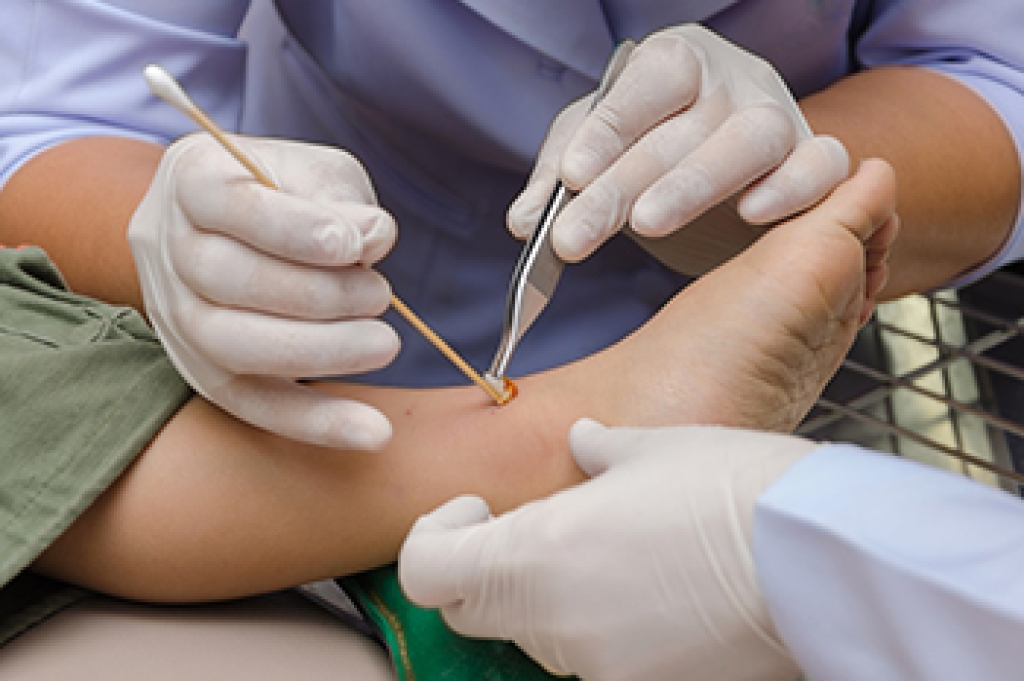
The Winograd Procedure is a common surgical treatment for chronic or recurring ingrown toenails that do not respond to conservative care. During this procedure, the podiatrist removes a small portion of the affected nail and surrounding tissue to prevent the nail from growing into the skin again. The goal is to eliminate pain, infection, and inflammation while preserving the natural shape of the toe. Most patients experience quick relief and can return to normal activities within a short time. However, as with any surgery, there are potential risks. These may include infection, delayed healing, minor bleeding, or temporary tenderness around the treated area. In rare cases, nail regrowth or persistent discomfort may occur. Following proper post-procedure instructions and keeping the site clean greatly reduces these risks. For safe, lasting relief from ingrown toenails, it is suggested that you consult a podiatrist experienced in this procedure.

Ingrown toenails may initially present themselves as a minor discomfort, but they may progress into an infection in the skin without proper treatment. For more information about ingrown toenails, contact one of our podiatrists of Toe-Tal Family Foot & Wound Care Professionals . Our doctors can provide the care you need to keep you pain-free and on your feet.

Ingrown Toenails

Ingrown toenails are caused when the corner or side of a toenail grows into the soft flesh surrounding it. They often result in redness, swelling, pain, and in some cases, infection. This condition typically affects the big toe and may recur if it is not treated properly.

Causes

  • Improper toenail trimming
  • Genetics
  • Improper shoe fitting
  • Injury from pedicures or nail picking
  • Abnormal gait
  • Poor hygiene

You are more likely to develop an ingrown toenail if you are obese, have diabetes, arthritis, or have any fungal infection in your nails. Additionally, people who have foot or toe deformities are at a higher risk of developing an ingrown toenail.

Symptoms

Some symptoms of ingrown toenails are redness, swelling, and pain. In rare cases, there may be a yellowish drainage coming from the nail.

Treatment

Ignoring an ingrown toenail can have serious complications. Infections of the nail border can progress to a deeper soft-tissue infection, which can then turn into a bone infection. You should always speak with your podiatrist if you suspect you have an ingrown toenail, especially if you have diabetes or poor circulation.

If you have any questions, please feel free to contact our office located in Vista, CA and Las Vegas, NV . We offer the newest diagnostic and treatment technologies for all your foot care needs.

Read more about Ingrown Toenail Care
Published in Blog
Tuesday, 14 October 2025 00:00

Managing Ankle Arthritis Without Surgery

Ankle arthritis can make walking and daily activities difficult due to pain, swelling, and stiffness in the joint. While surgery is an option in some cases, many people find relief through non-surgical treatments. These methods aim to reduce discomfort, improve mobility, and slow the progression of arthritis. Common approaches include wearing supportive shoes or custom orthotics to ease pressure on the joint, using braces to add stability, and doing gentle exercises to strengthen the surrounding muscles. Targeted exercises may also help improve flexibility and balance. Anti-inflammatory medications, topical treatments, or corticosteroid injections can be used to manage pain and swelling. Maintaining a healthy weight is another important step, as it reduces stress on the ankle. With the right combination of care, many people are able to stay active and avoid surgery. If ankle pain is interfering with your life, it is suggested that you see a podiatrist to explore your treatment options.

Arthritis can be a difficult condition to live with. If you are seeking treatment, contact one of our podiatrists from Toe-Tal Family Foot & Wound Care Professionals . Our doctors can provide the care you need to keep you pain-free and on your feet.

Arthritic Foot Care  

Arthritis is a joint disorder that involves the inflammation of different joints in your body, such as those in your feet. Arthritis is often caused by a degenerative joint disease and causes mild to severe pain in all affected areas. In addition to this, swelling and stiffness in the affected joints can also be a common symptom of arthritis.

In many cases, wearing ill-fitting shoes can worsen the effects and pain of arthritis. Wearing shoes that have a lower heel and extra room can help your feet feel more comfortable. In cases of rheumatoid arthritis, the arch in your foot may become problematic. Buying shoes with proper arch support that contour to your feet can help immensely.

Alleviating Arthritic Pain

  • Exercises that stretch the foot can prevent further pain and injury and increase mobility
  • Most of the pain can be alleviated with anti-inflammatory drugs, heat, and topical medications
  • Massages can help temporarily alleviate pain.

It is best to see your doctor for the treatment that is right for your needs and symptoms. Conditions vary, and a podiatrist can help you determine the right method of care for your feet.

If you have any questions please feel free to contact our office located in Vista, CA and Las Vegas, NV . We offer the newest diagnostic tools and technology to treat your foot and ankle needs.


Read more about Arthritic Foot Care
Published in Blog
Tuesday, 07 October 2025 00:00

Causes and Treatment of Ankle Ulcers

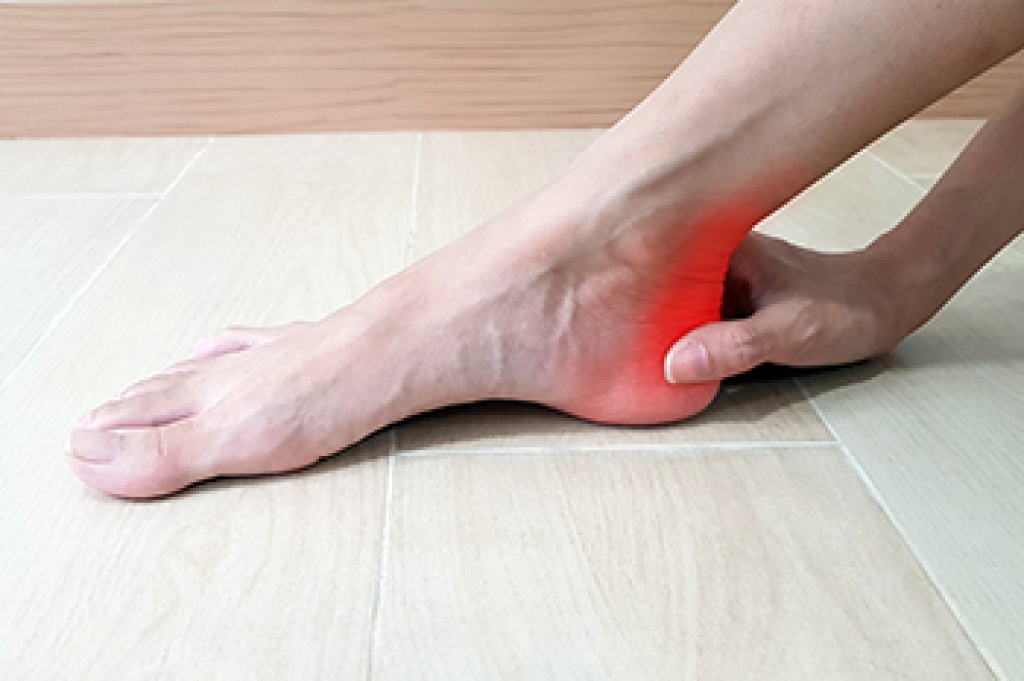
Ankle ulcers are open sores that develop when the skin around the ankle breaks down, but does not heal. They are often linked to poor blood flow, nerve damage, or high pressure in the veins. Venous stasis ulcers are the most common type of ankle ulcer and usually form just above the ankle joint. They occur when blood does not move back to the heart as it should, which causes swelling and tissue damage. Diabetes and arterial disease can also increase the risk of ankle ulcers. Other risk factors include varicose veins, previous blood clots, chronic swelling, inflammatory problems, and smoking, which reduces oxygen supply to the skin. Symptoms may include redness, swelling, warmth, drainage of fluid, and pain or itching. A podiatrist can examine the ankle ulcer, check circulation, provide wound care, and use compression to reduce swelling and improve healing. If you have an ankle ulcer, it is suggested that you promptly schedule an appointment with a podiatrist for an exam and appropriate treatment solutions.

Wound care is an important part in dealing with diabetes. If you have diabetes and a foot wound or would like more information about wound care for diabetics, consult with one of our podiatrists from Toe-Tal Family Foot & Wound Care Professionals . Our doctors will assess your condition and provide you with quality foot and ankle treatment.

What Is Wound Care?

Wound care is the practice of taking proper care of a wound. This can range from the smallest to the largest of wounds. While everyone can benefit from proper wound care, it is much more important for diabetics. Diabetics often suffer from poor blood circulation which causes wounds to heal much slower than they would in a non-diabetic. 

What Is the Importance of Wound Care?

While it may not seem apparent with small ulcers on the foot, for diabetics, any size ulcer can become infected. Diabetics often also suffer from neuropathy, or nerve loss. This means they might not even feel when they have an ulcer on their foot. If the wound becomes severely infected, amputation may be necessary. Therefore, it is of the upmost importance to properly care for any and all foot wounds.

How to Care for Wounds

The best way to care for foot wounds is to prevent them. For diabetics, this means daily inspections of the feet for any signs of abnormalities or ulcers. It is also recommended to see a podiatrist several times a year for a foot inspection. If you do have an ulcer, run the wound under water to clear dirt from the wound; then apply antibiotic ointment to the wound and cover with a bandage. Bandages should be changed daily and keeping pressure off the wound is smart. It is advised to see a podiatrist, who can keep an eye on it.

If you have any questions please contact our office located in Vista, CA and Las Vegas, NV . We offer the newest diagnostic and treatment technologies for all your foot and ankle needs.

Read more about Wound Care
Published in Blog
Wednesday, 01 October 2025 00:00

Are You Suffering From Ingrown Toenails?

If left untreated, an ingrown toenail can lead to more serious concerns, such as an infection. Knowing proper nail care can help in the prevention of an ingrown toenail. Give us a call, and get treated!

Published in Blog

Connect With Us

scroll to top