Items filtered by date: May 2025

Tuesday, 27 May 2025 00:00

Running with Plantar Fasciitis

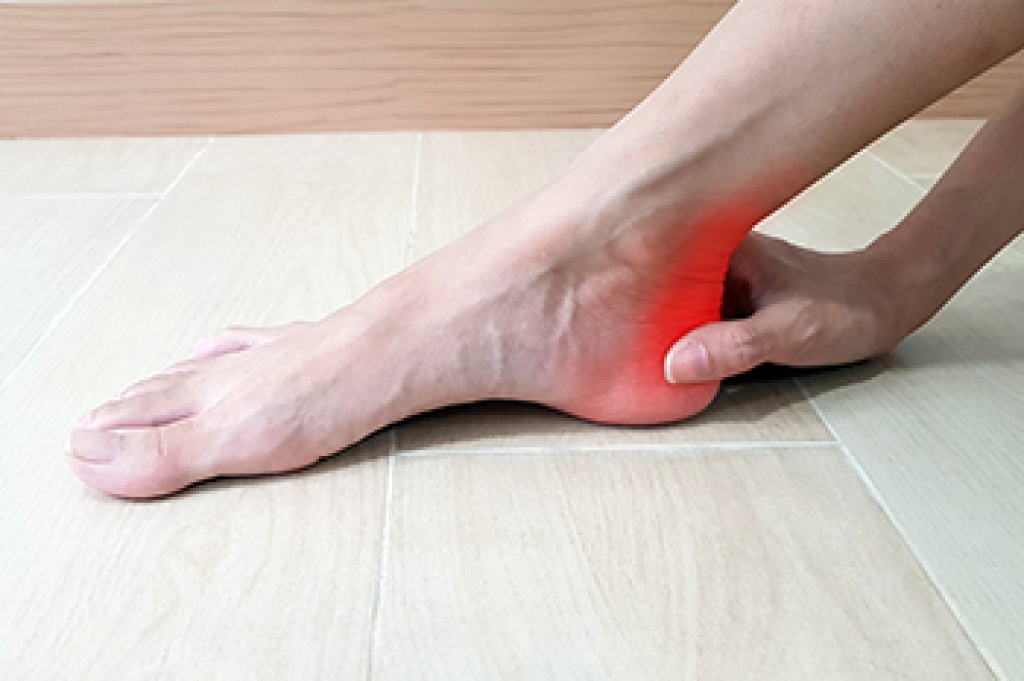
Plantar fasciitis is a common cause of heel pain, especially in runners. It is caused by inflammation of the plantar fascia, the thick band of tissue that supports the arch of the foot. This condition often results from overuse, wearing improper footwear, tight calf muscles, or sudden increases in activity. Symptoms include sharp heel pain, especially with the first steps in the morning or after rest, and tenderness along the bottom of the foot. The heel may feel stiff, sore, or even swollen. Runners can reduce symptoms by wearing supportive running shoes with good arch support and cushioning, warming up properly, and doing regular calf and plantar fascia stretches. Cross-training with low-impact activities like swimming or cycling can help maintain fitness while reducing stress on the foot. A podiatrist can confirm the diagnosis and offer treatment, such as custom orthotics, targeted exercises, night splints, anti-inflammatory medications, and advanced therapies, if needed. If plantar fasciitis is affecting your running, it is suggested that you schedule an appointment with a podiatrist for appropriate treatment.

Plantar fasciitis can be very painful and inconvenient. If you are experiencing heel pain or symptoms of plantar fasciitis, contact one of our podiatrists  from Toe-Tal Family Foot & Wound Care Professionals . Our doctors can provide the care you need to keep you pain-free and on your feet.

What Is Plantar Fasciitis?

Plantar fasciitis is the inflammation of the thick band of tissue that runs along the bottom of your foot, known as the plantar fascia, and causes mild to severe heel pain.

What Causes Plantar Fasciitis?

  • Excessive running
  • Non-supportive shoes
  • Overpronation
  • Repeated stretching and tearing of the plantar fascia

How Can It Be Treated?

  • Conservative measures – anti-inflammatories, ice packs, stretching exercises, physical therapy, orthotic devices
  • Shockwave therapy – sound waves are sent to the affected area to facilitate healing and are usually used for chronic cases of plantar fasciitis
  • Surgery – usually only used as a last resort when all else fails. The plantar fascia can be surgically detached from the heel

While very treatable, plantar fasciitis is definitely not something that should be ignored. Especially in severe cases, speaking to your doctor right away is highly recommended to avoid complications and severe heel pain. Your podiatrist can work with you to provide the appropriate treatment options tailored to your condition.

If you have any questions, please feel free to contact our office located in Vista, CA and Las Vegas, NV . We offer the newest diagnostic and treatment technologies for all your foot care needs.

Read more about Plantar Fasciitis
Published in Blog
Tuesday, 27 May 2025 00:00

Running with Plantar Fasciitis

Plantar fasciitis is a common cause of heel pain, especially in runners. It is caused by inflammation of the plantar fascia, the thick band of tissue that supports the arch of the foot. This condition often results from overuse, wearing improper footwear, tight calf muscles, or sudden increases in activity. Symptoms include sharp heel pain, especially with the first steps in the morning or after rest, and tenderness along the bottom of the foot. The heel may feel stiff, sore, or even swollen. Runners can reduce symptoms by wearing supportive running shoes with good arch support and cushioning, warming up properly, and doing regular calf and plantar fascia stretches. Cross-training with low-impact activities like swimming or cycling can help maintain fitness while reducing stress on the foot. A podiatrist can confirm the diagnosis and offer treatment, such as custom orthotics, targeted exercises, night splints, anti-inflammatory medications, and advanced therapies, if needed. If plantar fasciitis is affecting your running, it is suggested that you schedule an appointment with a podiatrist for appropriate treatment.


Plantar fasciitis can be very painful and inconvenient. If you are experiencing heel pain or symptoms of plantar fasciitis, contact one of our podiatrists  from Toe-Tal Family Foot & Wound Care Professionals . Our doctors can provide the care you need to keep you pain-free and on your feet.

What Is Plantar Fasciitis?

Plantar fasciitis is the inflammation of the thick band of tissue that runs along the bottom of your foot, known as the plantar fascia, and causes mild to severe heel pain.

What Causes Plantar Fasciitis?

  • Excessive running
  • Non-supportive shoes
  • Overpronation
  • Repeated stretching and tearing of the plantar fascia

How Can It Be Treated?

  • Conservative measures – anti-inflammatories, ice packs, stretching exercises, physical therapy, orthotic devices
  • Shockwave therapy – sound waves are sent to the affected area to facilitate healing and are usually used for chronic cases of plantar fasciitis
  • Surgery – usually only used as a last resort when all else fails. The plantar fascia can be surgically detached from the heel

While very treatable, plantar fasciitis is definitely not something that should be ignored. Especially in severe cases, speaking to your doctor right away is highly recommended to avoid complications and severe heel pain. Your podiatrist can work with you to provide the appropriate treatment options tailored to your condition.

If you have any questions please feel free to contact our office located in Vista, CA and Las Vegas, NV . We offer the newest diagnostic and treatment technologies for all your foot and ankle needs.

Read more about Plantar Fasciitis
Published in Blog
Tuesday, 20 May 2025 00:00

Understanding Ankle Arthritis

Ankle arthritis happens when the cartilage in the joint wears down, causing pain, stiffness, and swelling. It can result from years of wear and tear, an old injury, or conditions like rheumatoid arthritis. The pain often feels worse in the morning or after standing or walking for long periods. The ankle may feel weak or unstable, making it hard to move normally. Treatment depends on the severity of the symptoms. Wearing supportive shoes, braces, and custom orthotics can help reduce strain. Anti-inflammatory medication may also offer relief. In advanced cases, injections or surgery might be needed to restore comfort and function. Early care can slow the progression and protect mobility. If you feel ongoing pain or stiffness in your ankle, it is suggested you see a podiatrist for a diagnosis and appropriate treatment.

Arthritis can be a difficult condition to live with. If you are seeking treatment, contact one of our podiatrists from Toe-Tal Family Foot & Wound Care Professionals . Our doctors can provide the care you need to keep you pain-free and on your feet.

Arthritic Foot Care  

Arthritis is a joint disorder that involves the inflammation of different joints in your body, such as those in your feet. Arthritis is often caused by a degenerative joint disease and causes mild to severe pain in all affected areas. In addition to this, swelling and stiffness in the affected joints can also be a common symptom of arthritis.

In many cases, wearing ill-fitting shoes can worsen the effects and pain of arthritis. Wearing shoes that have a lower heel and extra room can help your feet feel more comfortable. In cases of rheumatoid arthritis, the arch in your foot may become problematic. Buying shoes with proper arch support that contour to your feet can help immensely.

Alleviating Arthritic Pain

  • Exercises that stretch the foot can prevent further pain and injury and increase mobility
  • Most of the pain can be alleviated with anti-inflammatory drugs, heat, and topical medications
  • Massages can help temporarily alleviate pain.

It is best to see your doctor for the treatment that is right for your needs and symptoms. Conditions vary, and a podiatrist can help you determine the right method of care for your feet.

If you have any questions please feel free to contact our office located in Vista, CA and Las Vegas, NV . We offer the newest diagnostic tools and technology to treat your foot and ankle needs.


Read more about Arthritic Foot Care
Published in Blog
Tuesday, 20 May 2025 00:00

Understanding Ankle Arthritis

Ankle arthritis happens when the cartilage in the joint wears down, causing pain, stiffness, and swelling. It can result from years of wear and tear, an old injury, or conditions like rheumatoid arthritis. The pain often feels worse in the morning or after standing or walking for long periods. The ankle may feel weak or unstable, making it hard to move normally. Treatment depends on the severity of the symptoms. Wearing supportive shoes, braces, and custom orthotics can help reduce strain. Anti-inflammatory medication may also offer relief. In advanced cases, injections or surgery might be needed to restore comfort and function. Early care can slow the progression and protect mobility. If you feel ongoing pain or stiffness in your ankle, it is suggested you see a podiatrist for a diagnosis and appropriate treatment.

Arthritis can be a difficult condition to live with. If you are seeking treatment, contact one of our podiatrists from Toe-Tal Family Foot & Wound Care Professionals . Our doctors can provide the care you need to keep you pain-free and on your feet.

Arthritic Foot Care  

Arthritis is a joint disorder that involves the inflammation of different joints in your body, such as those in your feet. Arthritis is often caused by a degenerative joint disease and causes mild to severe pain in all affected areas. In addition to this, swelling and stiffness in the affected joints can also be a common symptom of arthritis.

In many cases, wearing ill-fitting shoes can worsen the effects and pain of arthritis. Wearing shoes that have a lower heel and extra room can help your feet feel more comfortable. In cases of rheumatoid arthritis, the arch in your foot may become problematic. Buying shoes with proper arch support that contour to your feet can help immensely.

Alleviating Arthritic Pain

  • Exercises that stretch the foot can prevent further pain and injury and increase mobility
  • Most of the pain can be alleviated with anti-inflammatory drugs, heat, and topical medications
  • Massages can help temporarily alleviate pain.

It is best to see your doctor for the treatment that is right for your needs and symptoms. Conditions vary, and a podiatrist can help you determine the right method of care for your feet.

If you have any questions, please feel free to contact our office located in Vista, CA and Las Vegas, NV . We offer the newest diagnostic tools and technology to treat your foot and ankle needs.

Read more about Arthritic Foot Care
Published in Blog
Wednesday, 14 May 2025 00:00

Reminder: When Was the Last Time...?

Custom orthotics, or shoe inserts, should be periodically replaced. Orthotics must fit properly to give you the best results. Protect your feet and ankles!

Published in Blog
Wednesday, 14 May 2025 00:00

Reminder: When Was the Last Time...?

Custom orthotics, or shoe inserts, should be periodically replaced. Orthotics must fit properly to give you the best results. Protect your feet and ankles!

Published in Blog
Tuesday, 13 May 2025 00:00

What Is a Heel Spur?

A heel spur is a bony growth that develops on the underside of the heel bone, often where the plantar fascia attaches. It typically forms over time as a response to ongoing stress or pressure on the foot. One of the main contributing factors is aging, as the tissues naturally lose elasticity and strength. Abnormal stress from repetitive activities, poor foot function, or walking patterns can place excessive strain on the heel. Carrying extra weight increases the load on the feet, which can lead to small tears in the plantar fascia. These micro-tears trigger inflammation and can encourage calcium deposits to build up, forming a spur. If you have heel pain, it is suggested that you schedule an appointment with a podiatrist who can accurately diagnose and treat heel spurs.

Heel spurs can be incredibly painful and sometimes may make you unable to participate in physical activities. To get medical care for your heel spurs, contact one of our podiatrists from Toe-Tal Family Foot & Wound Care Professionals . Our doctors will do everything possible to treat your condition.

Heels Spurs

Heel spurs are formed by calcium deposits on the back of the foot where the heel is. This can also be caused by small fragments of bone breaking off one section of the foot, attaching onto the back of the foot. Heel spurs can also be bone growth on the back of the foot and may grow in the direction of the arch of the foot.

Older individuals usually suffer from heel spurs and pain sometimes intensifies with age. One of the main condition's spurs are related to is plantar fasciitis.

Pain

The pain associated with spurs is often because of weight placed on the feet. When someone is walking, their entire weight is concentrated on the feet. Bone spurs then have the tendency to affect other bones and tissues around the foot. As the pain continues, the feet will become tender and sensitive over time.

Treatments

There are many ways to treat heel spurs. If one is suffering from heel spurs in conjunction with pain, there are several methods for healing. Medication, surgery, and herbal care are some options.

If you have any questions, please feel free to contact our office located in Vista, CA and Las Vegas, NV . We offer the newest diagnostic and treatment technologies for all your foot care needs.

Read more about How to Treat Heel Spurs
Published in Blog
Tuesday, 13 May 2025 00:00

What Is a Heel Spur?

A heel spur is a bony growth that develops on the underside of the heel bone, often where the plantar fascia attaches. It typically forms over time as a response to ongoing stress or pressure on the foot. One of the main contributing factors is aging, as the tissues naturally lose elasticity and strength. Abnormal stress from repetitive activities, poor foot function, or walking patterns can place excessive strain on the heel. Carrying extra weight increases the load on the feet, which can lead to small tears in the plantar fascia. These micro-tears trigger inflammation and can encourage calcium deposits to build up, forming a spur. If you have heel pain, it is suggested that you schedule an appointment with a podiatrist who can accurately diagnose and treat heel spurs.

Heel spurs can be incredibly painful and sometimes may make you unable to participate in physical activities. To get medical care for your heel spurs, contact one of our podiatrists from Toe-Tal Family Foot & Wound Care Professionals . Our doctors will do everything possible to treat your condition.

Heels Spurs

Heel spurs are formed by calcium deposits on the back of the foot where the heel is. This can also be caused by small fragments of bone breaking off one section of the foot, attaching onto the back of the foot. Heel spurs can also be bone growth on the back of the foot and may grow in the direction of the arch of the foot.

Older individuals usually suffer from heel spurs and pain sometimes intensifies with age. One of the main condition's spurs are related to is plantar fasciitis.

Pain

The pain associated with spurs is often because of weight placed on the feet. When someone is walking, their entire weight is concentrated on the feet. Bone spurs then have the tendency to affect other bones and tissues around the foot. As the pain continues, the feet will become tender and sensitive over time.

Treatments

There are many ways to treat heel spurs. If one is suffering from heel spurs in conjunction with pain, there are several methods for healing. Medication, surgery, and herbal care are some options.

If you have any questions feel free to contact our office located in Vista, CA and Las Vegas, NV . We offer the latest in diagnostic and treatment technology to meet your needs.

Read more about How to Treat Heel Spurs
Published in Blog
Tuesday, 06 May 2025 00:00

Managing Foot Cramps

Foot cramps are sudden, involuntary muscle spasms that can cause sharp, intense pain in the feet or toes. These cramps can last from a few seconds to several minutes, and may feel like the muscles are tight, knotted, or twitching. Common causes include physical activity, prolonged standing, dehydration, medication side effects, or underlying health conditions like nerve issues or circulation problems. Poorly fitting shoes and lack of support can also trigger foot cramps, especially during exercise or at night. While most cramps go away with gentle stretching, massaging, or walking, frequent or severe cramps may signal an underlying issue. A podiatrist can assess your symptoms, review your medical history, and recommend proper footwear, orthotics, stretching routines, or hydration strategies. They may also evaluate for circulatory or nerve-related causes and suggest treatments accordingly. If you have foot cramps, it is suggested that you schedule an appointment to see a podiatrist.

Foot Pain

Foot pain can be extremely painful and debilitating. If you have a foot pain, consult with one of our podiatrists from Toe-Tal Family Foot & Wound Care Professionals . Our doctors will assess your condition and provide you with quality foot and ankle treatment.

Causes

Foot pain is a very broad condition that could be caused by one or more ailments. The most common include:

  • Bunions
  • Hammertoes
  • Plantar Fasciitis
  • Bone Spurs
  • Corns
  • Tarsal Tunnel Syndrome
  • Ingrown Toenails
  • Arthritis (such as Gout, Rheumatoid, and Osteoarthritis)
  • Flat Feet
  • Injury (from stress fractures, broken toe, foot, ankle, Achilles tendon ruptures, and sprains)
  • And more

Diagnosis

To figure out the cause of foot pain, podiatrists utilize several different methods. This can range from simple visual inspections and sensation tests to X-rays and MRI scans. Prior medical history, family medical history, and any recent physical traumatic events will all be taken into consideration for a proper diagnosis.

Treatment

Treatment depends upon the cause of the foot pain. Whether it is resting, staying off the foot, or having surgery; podiatrists have a number of treatment options available for foot pain.

If you have any questions, please feel free to contact our office located in Vista, CA and Las Vegas, NV . We offer the newest diagnostic and treatment technologies for all your foot care needs.

Read more about Foot Pain
Published in Blog
Tuesday, 06 May 2025 00:00

Managing Foot Cramps

Foot cramps are sudden, involuntary muscle spasms that can cause sharp, intense pain in the feet or toes. These cramps can last from a few seconds to several minutes, and may feel like the muscles are tight, knotted, or twitching. Common causes include physical activity, prolonged standing, dehydration, medication side effects, or underlying health conditions like nerve issues or circulation problems. Poorly fitting shoes and lack of support can also trigger foot cramps, especially during exercise or at night. While most cramps go away with gentle stretching, massaging, or walking, frequent or severe cramps may signal an underlying issue. A podiatrist can assess your symptoms, review your medical history, and recommend proper footwear, orthotics, stretching routines, or hydration strategies. They may also evaluate for circulatory or nerve-related causes and suggest treatments accordingly. If you have foot cramps, it is suggested that you schedule an appointment to see a podiatrist.

Foot Pain

Foot pain can be extremely painful and debilitating. If you have a foot pain, consult with one of our podiatrists from Toe-Tal Family Foot & Wound Care Professionals . Our doctors will assess your condition and provide you with quality foot and ankle treatment.

Causes

Foot pain is a very broad condition that could be caused by one or more ailments. The most common include:

  • Bunions
  • Hammertoes
  • Plantar Fasciitis
  • Bone Spurs
  • Corns
  • Tarsal Tunnel Syndrome
  • Ingrown Toenails
  • Arthritis (such as Gout, Rheumatoid, and Osteoarthritis)
  • Flat Feet
  • Injury (from stress fractures, broken toe, foot, ankle, Achilles tendon ruptures, and sprains)
  • And more

Diagnosis

To figure out the cause of foot pain, podiatrists utilize several different methods. This can range from simple visual inspections and sensation tests to X-rays and MRI scans. Prior medical history, family medical history, and any recent physical traumatic events will all be taken into consideration for a proper diagnosis.

Treatment

Treatment depends upon the cause of the foot pain. Whether it is resting, staying off the foot, or having surgery; podiatrists have a number of treatment options available for foot pain.

If you have any questions, please feel free to contact our office located in Vista, CA and Las Vegas, NV . We offer the newest diagnostic and treatment technologies for all your foot care needs.

Read more about Foot Pain
Published in Blog

Connect With Us

scroll to top