Items filtered by date: August 2025

Wednesday, 27 August 2025 00:00

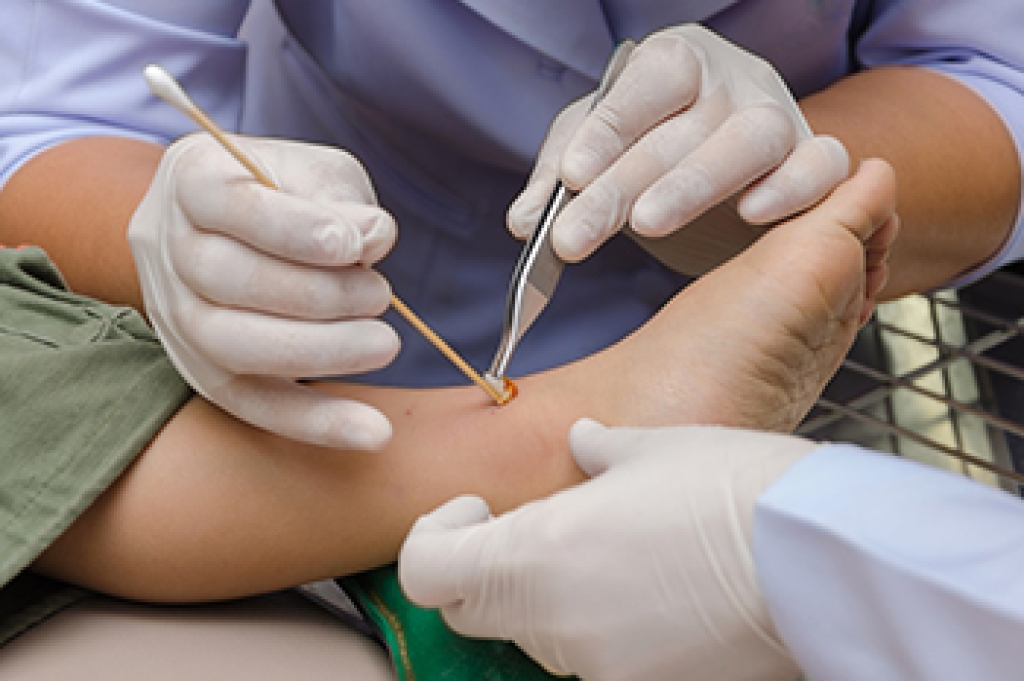
Wounds That Don't Heal Need to Be Checked

Your feet are covered most of the day. If you're diabetic, periodic screening is important for good health. Numbness is often a sign of diabetic foot and can mask a sore or wound.

Published in Blog
Tuesday, 26 August 2025 00:00

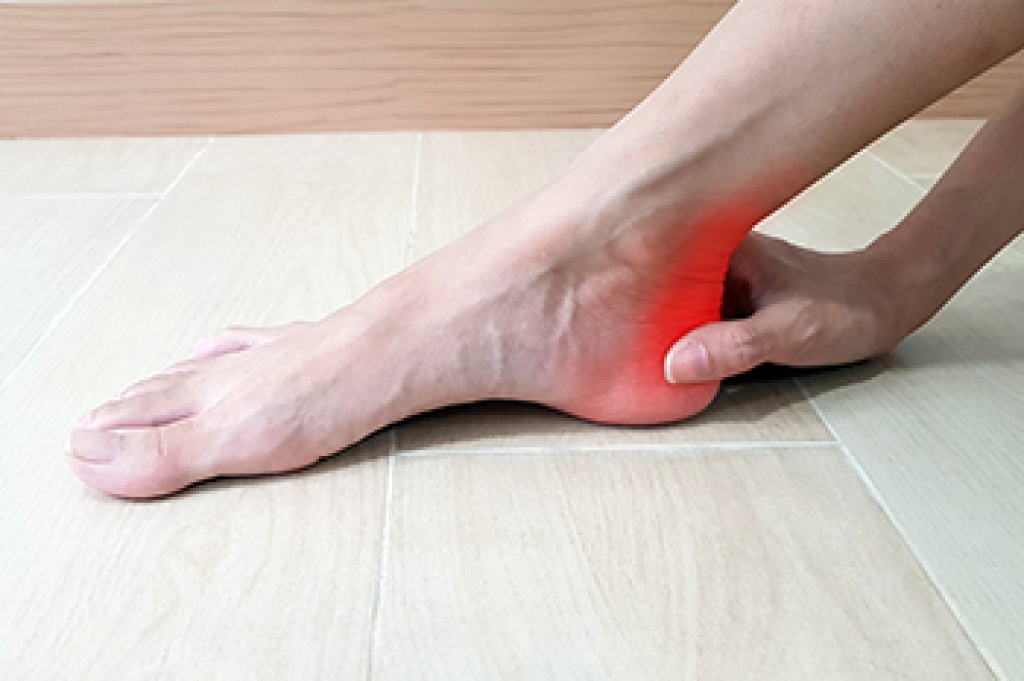
Causes and Symptoms of Foot Arthritis

Foot arthritis occurs when the cartilage in the joints wears down, leading to pain, stiffness, and swelling. Causes include the natural aging process, repetitive overuse of the feet, and genetic factors that make some individuals more prone to joint problems. Symptoms often include aching, reduced range of motion, and difficulty walking or standing for long periods. A podiatrist can diagnose foot arthritis through a physical exam and imaging, then recommend treatments such as custom orthotics, supportive footwear, exercises, and in some cases, surgery. If you experience persistent foot pain or stiffness, it is suggested that you consult a podiatrist who can offer effective relief tips.

Arthritis can be a difficult condition to live with. If you are seeking treatment, contact one of our podiatrists from Toe-Tal Family Foot & Wound Care Professionals . Our doctors can provide the care you need to keep you pain-free and on your feet.

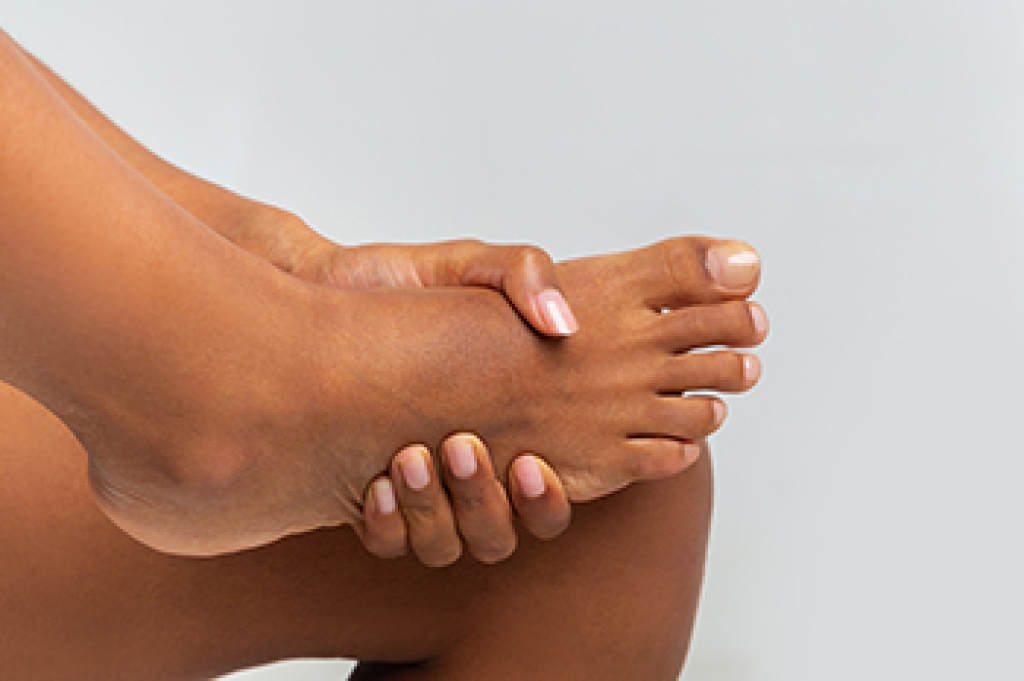
Arthritic Foot Care  

Arthritis is a term that is commonly used to describe joint pain.  The condition itself can occur to anyone of any age, race, or gender, and there are over 100 types of it.  Nevertheless, arthritis is more commonly found in women compared to men, and it is also more prevalent in those who are overweight. The causes of arthritis vary depending on which type of arthritis you have. Osteoarthritis for example, is often caused by injury, while rheumatoid arthritis is caused by a misdirected immune system.

Symptoms

  • Swelling
  • Pain
  • Stiffness
  • Decreased Range of Motion

Arthritic symptoms range in severity, and they may come and go. Some symptoms stay the same for several years but could potentially get worse with time. Severe cases of arthritis can prevent its sufferers from performing daily activities and make walking difficult.

Risk Factors

  • Occupation – Occupations requiring repetitive knee movements have been linked to osteoarthritis
  • Obesity – Excess weight can contribute to osteoarthritis development
  • Infection – Microbial agents can infect the joints and trigger arthritis
  • Joint Injuries – Damage to joints may lead to osteoarthritis
  • Age – Risk increases with age
  • Gender –Most types are more common in women
  • Genetics – Arthritis can be hereditary

If you suspect your arthritis is affecting your feet, it is crucial that you see a podiatrist immediately. Your doctor will be able to address your specific case and help you decide which treatment method is best for you.

If you have any questions please feel free to contact our office located in Vista, CA and Las Vegas, NV . We offer the newest diagnostic tools and technology to treat your foot and ankle needs.

Read more about How to Care for Your Arthritic Foot
Published in Blog
Tuesday, 19 August 2025 00:00

What You Need to Know About Plantar Warts

Plantar warts are small, rough growths that appear on the soles of the feet, caused by the human papillomavirus, also called HPV. This virus enters the skin through tiny cuts or abrasions, often picked up in warm, moist environments, like locker rooms or public showers. Plantar warts may appear as a single lesion or in clusters, and often have black dots, which are clotted blood vessels, in the center. These warts can be painful, especially while walking or standing, and may feel like you are stepping on a pebble. Because they grow inward due to pressure from walking, they can be hard to see and treat. A podiatrist can diagnose plantar warts and offer effective treatments, such as cryotherapy, topical medications, or minor surgical removal. They can also provide advice on prevention and proper foot care. If you have developed a plantar wart, it is suggested that you schedule an appointment with a podiatrist for appropriate treatment solutions.

Plantar warts can be very uncomfortable. If you need your feet checked, contact one of our podiatrists from Toe-Tal Family Foot & Wound Care Professionals . Our doctors will assist you with all of your foot and ankle needs.

About Plantar Warts

Plantar warts are the result of HPV, or human papillomavirus, getting into open wounds on the feet. They are mostly found on the heels or balls of the feet.

While plantar warts are generally harmless, those experiencing excessive pain or those suffering from diabetes or a compromised immune system require immediate medical care. Plantar warts are easily diagnosed, usually through scraping off a bit of rough skin or by getting a biopsy.

Symptoms

  • Lesions on the bottom of your feet, usually rough and grainy
  • Hard or thick callused spots
  • Wart seeds, which are small clotted blood vessels that look like little black spots
  • Pain, discomfort, or tenderness of your feet when walking or standing

Treatment

  • Freezing
  • Electric tool removal
  • Laser Treatment
  • Topical Creams (prescription only)
  • Over-the-counter medications

To help prevent developing plantar warts, avoid walking barefoot over abrasive surfaces that can cause cuts or wounds for HPV to get into. Avoiding direct contact with other warts, as well as not picking or rubbing existing warts, can help prevent the further spread of plantar warts. However, if you think you have developed plantar warts, speak to your podiatrist. He or she can diagnose the warts on your feet and recommend the appropriate treatment options.

If you have any questions, please feel free to contact our office located in Vista, CA and Las Vegas, NV . We offer the newest diagnostic and treatment technologies for all your foot care needs.

Read more about All About Plantar Warts
Published in Blog
Tuesday, 12 August 2025 00:00

How Flat Feet Are Diagnosed

Flat feet occur when the arches of the feet are low or absent, causing the soles to make full contact with the ground. Diagnosis begins with a physical exam. A podiatrist will observe how you stand, walk, and bear weight. They may check the alignment of your ankles and ask you to rise onto your toes. If the arch does not appear when standing on tiptoe, it may suggest a more rigid form of flatfoot. Imaging tests such as X-rays or an MRI scan may be used to assess bone structure, joint alignment, or soft tissue involvement. Some people have flat feet without symptoms, while others may experience pain or fatigue in the feet, ankles, or legs. If you have foot discomfort or are unsure about changes in your foot shape, it is suggested that you visit a podiatrist for an accurate diagnosis and care plan.

Flatfoot is a condition many people suffer from. If you have flat feet, contact one of our podiatrists from Toe-Tal Family Foot & Wound Care Professionals . Our doctors will treat your foot and ankle needs.

What Are Flat Feet?

Flatfoot is a condition in which the arch of the foot is depressed and the sole of the foot is almost completely in contact with the ground. About 20-30% of the population generally has flat feet because their arches never formed during growth.

Conditions & Problems:

Having flat feet makes it difficult to run or walk because of the stress placed on the ankles.

Alignment – The general alignment of your legs can be disrupted, because the ankles move inward which can cause major discomfort.

Knees – If you have complications with your knees, flat feet can be a contributor to arthritis in that area.  

Symptoms

  • Pain around the heel or arch area
  • Trouble standing on the tip toe
  • Swelling around the inside of the ankle
  • Flat look to one or both feet
  • Having your shoes feel uneven when worn

Treatment

If you are experiencing pain and stress on the foot you may weaken the posterior tibial tendon, which runs around the inside of the ankle. 

If you have any questions, please feel free to contact our office located in Vista, CA and Las Vegas, NV . We offer the newest diagnostic and treatment technologies for all your foot care needs.

Read more about Flat Feet
Published in Blog

Gout, a type of inflammatory arthritis, is caused by the buildup of uric acid crystals in the joints, often affecting the big toe. It occurs when the body produces too much uric acid or fails to eliminate it properly, leading to sudden and severe joint pain. Symptoms include intense pain, redness, swelling, and warmth in the affected joint. During a gout attack, even light touch or movement can be excruciating. The skin over the joint may appear shiny or peeling. Treatment focuses on managing pain and reducing uric acid levels through medications, lifestyle changes, and dietary adjustments. A podiatrist can help diagnose gout with physical exams and lab tests, recommend effective treatments, and provide advice on preventing future flare-ups. Early intervention can reduce pain and help prevent joint damage. If you have gout, it is suggested that you are under the care of a podiatrist who can help you to manage this painful condition. 

Gout is a painful condition that can be treated. If you are seeking treatment, contact one of our podiatrists from Toe-Tal Family Foot & Wound Care Professionals . Our doctors will treat your foot and ankle needs.

What Is Gout?

Gout is a form of arthritis that is characterized by sudden, severe attacks of pain, redness, and tenderness in the joints. The condition usually affects the joint at the base of the big toe. A gout attack can occur at any random time, such as the middle of the night while you are asleep.

Symptoms

  • Intense Joint Pain - Usually around the large joint of your big toe, and it most severe within the first four to twelve hours
  • Lingering Discomfort - Joint discomfort may last from a few days to a few weeks
  • Inflammation and Redness -Affected joints may become swollen, tender, warm and red
  • Limited Range of Motion - May experience a decrease in joint mobility

Risk Factors

  • Genetics - If family members have gout, you’re more likely to have it
  • Medications - Diuretic medications can raise uric acid levels
  • Gender/Age - Gout is more common in men until the age of 60. It is believed that estrogen protects women until that point
  • Diet - Eating red meat and shellfish increases your risk
  • Alcohol - Having more than two alcoholic drinks per day increases your risk
  • Obesity - Obese people are at a higher risk for gout

Prior to visiting your podiatrist to receive treatment for gout, there are a few things you should do beforehand. If you have gout you should write down your symptoms--including when they started and how often you experience them, important medical information you may have, and any questions you may have. Writing down these three things will help your podiatrist in assessing your specific situation so that he or she may provide the best route of treatment for you.

If you have any questions, please feel free to contact our office located in Vista, CA and Las Vegas, NV . We offer the newest diagnostic and treatment technologies for all your foot care needs.

Read more about Gout
Published in Blog

Connect With Us

scroll to top