Why Chronic Foot Wounds Do Not Heal and What Helps

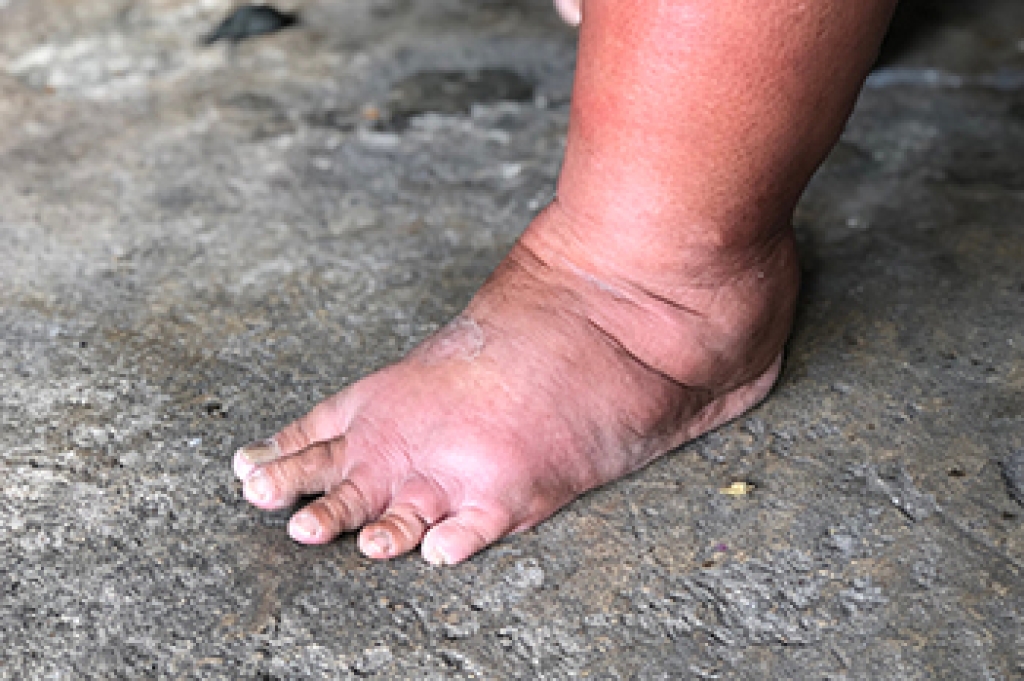
Chronic foot wounds develop when the normal healing process is disrupted. Poor circulation is a common cause, as reduced blood flow limits oxygen and nutrients needed for repair. Diabetes can damage nerves and blood vessels, making injuries harder to notice and slower to heal. Pressure from wearing ill-fitting shoes or limited mobility may repeatedly stress the same area. Infection, swelling, and untreated calluses can also keep a wound open longer than expected. Treatment focuses on addressing both the wound and the underlying cause. Care may include regular debridement, advanced dressings, infection control, and offloading pressure from the affected area. Improving blood flow, managing blood sugar, and correcting footwear problems are equally important. If a foot wound is slow to heal or recurring, it is suggested that you see a podiatrist promptly.

Wound care is an important part in dealing with diabetes. If you have diabetes and a foot wound or would like more information about wound care for diabetics, consult with one of our podiatrists from Toe-Tal Family Foot & Wound Care Professionals . Our doctors will assess your condition and provide you with quality foot and ankle treatment.

What Is Wound Care?

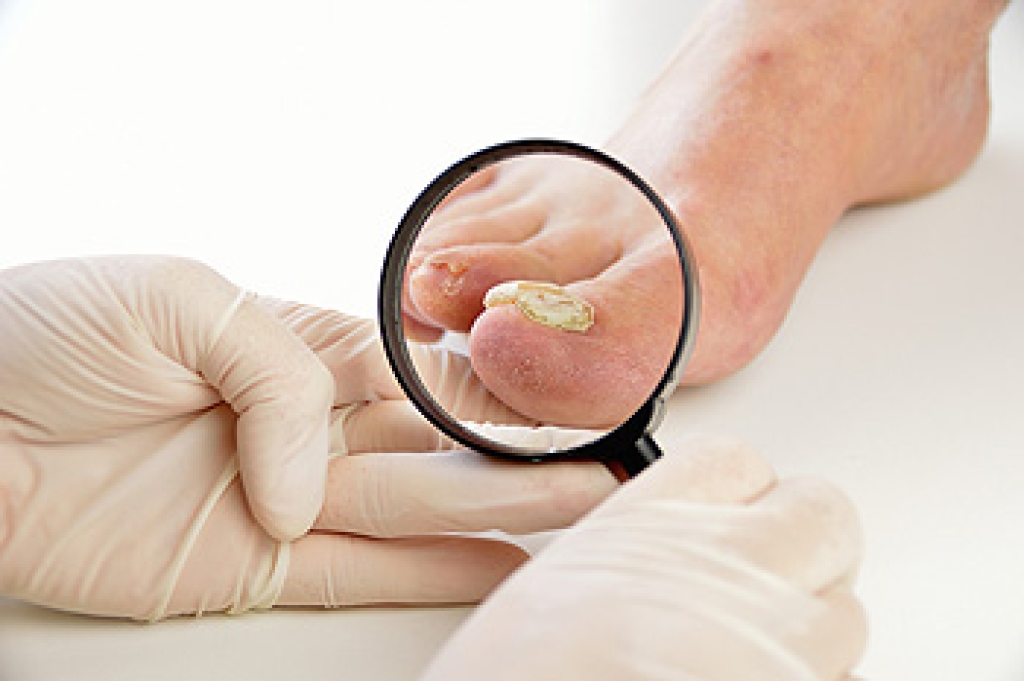
Wound care is the practice of taking proper care of a wound. This can range from the smallest to the largest of wounds. While everyone can benefit from proper wound care, it is much more important for diabetics. Diabetics often suffer from poor blood circulation which causes wounds to heal much slower than they would in a non-diabetic. 

What Is the Importance of Wound Care?

While it may not seem apparent with small ulcers on the foot, for diabetics, any size ulcer can become infected. Diabetics often also suffer from neuropathy, or nerve loss. This means they might not even feel when they have an ulcer on their foot. If the wound becomes severely infected, amputation may be necessary. Therefore, it is of the upmost importance to properly care for any and all foot wounds.

How to Care for Wounds

The best way to care for foot wounds is to prevent them. For diabetics, this means daily inspections of the feet for any signs of abnormalities or ulcers. It is also recommended to see a podiatrist several times a year for a foot inspection. If you do have an ulcer, run the wound under water to clear dirt from the wound; then apply antibiotic ointment to the wound and cover with a bandage. Bandages should be changed daily and keeping pressure off the wound is smart. It is advised to see a podiatrist, who can keep an eye on it.

If you have any questions please contact our office located in Vista, CA and Las Vegas, NV . We offer the newest diagnostic and treatment technologies for all your foot and ankle needs.
Read more about Wound Care

Recognizing and Treating Hammertoe

Gradual changes in toe position can be an early sign of a hammertoe, where one or more toes bend at the middle joint and no longer rest flat. Common signs include toe stiffness, irritation from footwear, and corns or calluses. As the hammertoe progresses, the toe may become rigid, limiting movement and causing more pain. Muscle imbalance, nerve conditions, injury, and long-term pressure on the toes can all contribute to this toe deformity. A podiatrist can evaluate toe alignment, joint flexibility, and foot structure to confirm the diagnosis and determine treatment. Some cases of hammertoe may require surgery to correct alignment and relieve pain. If you notice changes to the structure of your toes, it is suggested that you make an appointment with a podiatrist for an exam, diagnosis, and treatment.

Hammertoes can be a painful condition to live with. For more information, contact one of our podiatrists of Toe-Tal Family Foot & Wound Care Professionals . Our doctors will answer any of your foot- and ankle-related questions.

Hammertoe

Hammertoe is a foot deformity that occurs due to an imbalance in the muscles, tendons, or ligaments that normally hold the toe straight. It can be caused by the type of shoes you wear, your foot structure, trauma, and certain disease processes.

Symptoms

  • Painful and/or difficult toe movement
  • Swelling
  • Joint stiffness
  • Calluses/Corns
  • Physical deformity

Risk Factors

  • Age – The risk of hammertoe increases with age
  • Sex – Women are more likely to have hammertoe compared to men
  • Toe Length – You are more likely to develop hammertoe if your second toe is longer than your big toe
  • Certain Diseases – Arthritis and diabetes may make you more likely to develop hammertoe

Treatment

If you have hammertoe, you should change into a more comfortable shoe that provides enough room for your toes. Exercises such as picking up marbles may strengthen and stretch your toe muscles. Nevertheless, it is important to seek assistance from a podiatrist in order to determine the severity of your hammertoe and see which treatment option will work best for you.

If you have any questions, please feel free to contact our office located in Vista, CA and Las Vegas, NV . We offer the newest diagnostic and treatment technologies for all your foot care needs.

Read more about What Are Hammertoes?

Dealing With Gout

Gout is a painful form of inflammatory arthritis that affects men more often, frequently appearing in the big toe or forefoot. It is caused by elevated uric acid levels that form sharp crystals inside the joint. The affected area may look red, swollen, and warm, with skin that appears tight or inflamed. It often feels like sudden intense pain, burning, or extreme tenderness, sometimes starting at night and making walking difficult. Causes include genetics, kidney issues, and diets high in purines such as red meat and seafood, which are more common risk factors in men. A podiatrist can help from the start by evaluating symptoms, confirming the diagnosis through examination, imaging, and lab coordination when needed. Treatment may begin with inflammation and pain management, and activity modification, then move into long-term control, education, and prevention strategies. It is suggested that if you are experiencing sudden joint pain in the foot to schedule an appointment with a podiatrist for effective relief and management tips.

Gout is a painful condition that can be treated. If you are seeking treatment, contact one of our podiatrists from Toe-Tal Family Foot & Wound Care Professionals . Our doctors will treat your foot and ankle needs.

What Is Gout?

Gout is a form of arthritis that is characterized by sudden, severe attacks of pain, redness, and tenderness in the joints. The condition usually affects the joint at the base of the big toe. A gout attack can occur at any random time, such as the middle of the night while you are asleep.

Symptoms

  • Intense Joint Pain - Usually around the large joint of your big toe, and it most severe within the first four to twelve hours
  • Lingering Discomfort - Joint discomfort may last from a few days to a few weeks
  • Inflammation and Redness -Affected joints may become swollen, tender, warm and red
  • Limited Range of Motion - May experience a decrease in joint mobility

Risk Factors

  • Genetics - If family members have gout, you’re more likely to have it
  • Medications - Diuretic medications can raise uric acid levels
  • Gender/Age - Gout is more common in men until the age of 60. It is believed that estrogen protects women until that point
  • Diet - Eating red meat and shellfish increases your risk
  • Alcohol - Having more than two alcoholic drinks per day increases your risk
  • Obesity - Obese people are at a higher risk for gout

Prior to visiting your podiatrist to receive treatment for gout, there are a few things you should do beforehand. If you have gout you should write down your symptoms--including when they started and how often you experience them, important medical information you may have, and any questions you may have. Writing down these three things will help your podiatrist in assessing your specific situation so that he or she may provide the best route of treatment for you.

If you have any questions, please feel free to contact our office located in Vista, CA and Las Vegas, NV . We offer the newest diagnostic and treatment technologies for all your foot care needs.

Read more about Gout

Risk Factors for Falling in Winter

Winter conditions increase the risk of slipping when feet lose traction on icy or wet surfaces, making footwear choices and foot function especially important. Shoes with firm soles, deep tread, and a stable heel help the feet grip the ground and limit ankle rolling, while worn shoes raise the chance of imbalance. Foot shape, reduced sensation in the toes, and stiffness in the ankles can affect balance, especially with age. A podiatrist can evaluate gait, check ankle motion, and identify problems like nerve changes or arthritis that interfere with stability. Treatment can focus on improving foot alignment, managing pain, and addressing deformities that limit safe walking, with surgery considered when structural problems prevent support. If you are at risk for falls, it is suggested that you make an appointment with a podiatrist for a diagnosis and options for prevention.

Preventing falls among the elderly is very important. If you are older and have fallen or fear that you are prone to falling, consult with one of our podiatrists from Toe-Tal Family Foot & Wound Care Professionals . Our doctors will assess your condition and provide you with quality advice and care.

Every 11 seconds, an elderly American is being treated in an emergency room for a fall related injury. Falls are the leading cause of head and hip injuries for those 65 and older. Due to decreases in strength, balance, senses, and lack of awareness, elderly persons are very susceptible to falling. Thankfully, there are a number of things older persons can do to prevent falls.

How to Prevent Falls

Some effective methods that older persons can do to prevent falls include:

  • Enrolling in strength and balance exercise program to increase balance and strength
  • Periodically having your sight and hearing checked
  • Discuss any medications you have with a doctor to see if it increases the risk of falling
  • Clearing the house of falling hazards and installing devices like grab bars and railings
  • Utilizing a walker or cane
  • Wearing shoes that provide good support and cushioning
  • Talking to family members about falling and increasing awareness

Falling can be a traumatic and embarrassing experience for elderly persons; this can make them less willing to leave the house, and less willing to talk to someone about their fears of falling. Doing such things, however, will increase the likelihood of tripping or losing one’s balance. Knowing the causes of falling and how to prevent them is the best way to mitigate the risk of serious injury.  

If you have any questions, please feel free to contact our office located in Vista, CA and Las Vegas, NV . We offer the newest diagnostic and treatment technologies for all your foot care needs.

Read more about Falls Prevention

Connect With Us

scroll to top